
The basilica of Notre-Dame-de-la-Fin-des-Terres: a historic treasure
It is one of the must-see monuments in the Médoc Atlantique. In Soulac-sur-Mer, the Basilica of Notre-Dame-de-la-Fin-des-Terres is a listed Historic Monument and has been a member of the VIP club of buildings listed as World Heritage Sites by UNESCO since 1998, as part of the Pilgrim’s Way to Santiago de Compostela. A visit here is an open book on the fascinating history of the village, which almost disappeared under the sand almost 300 years ago…

A pioneering woman at the origin
Unesco World Heritage Site
Christian legend has it that Notre-Dame-de-la-fin-des-Terres honours the cult of Sainte-Véronique. In the first century AD, after the death of Christ, Sainte-Véronique is said to have walked to Soulac-sur-Mer from Palestine, followed by her companions Saint-Amadour and Saint-Martial. Armed with the Holy Face (see its representation on the façade), she is said to have built a modest oratory in memory of the Virgin, her friend, after evangelising the Médoc and Bazadais.
She died in Soulac-sur-Mer and was buried there in the year 70. It is said that she gave her name to the village, exclaiming “Souloum Lac” on her arrival.
-
-
© Nohcab -
-
-
© Nohcab -

An architecture
Across the centuries and styles
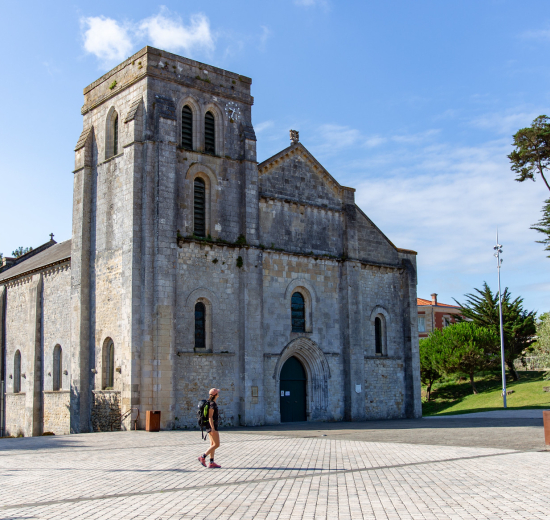
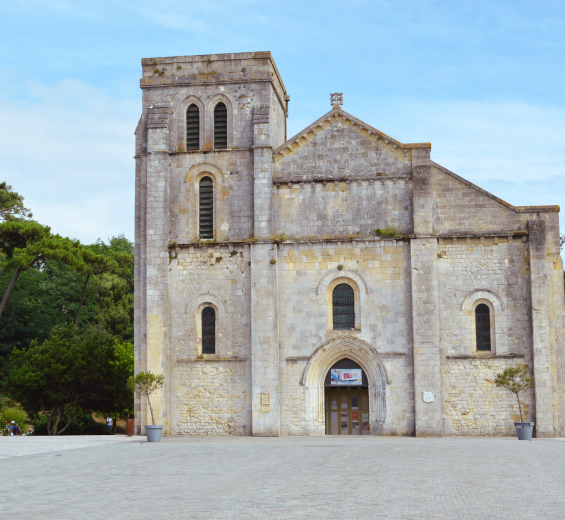
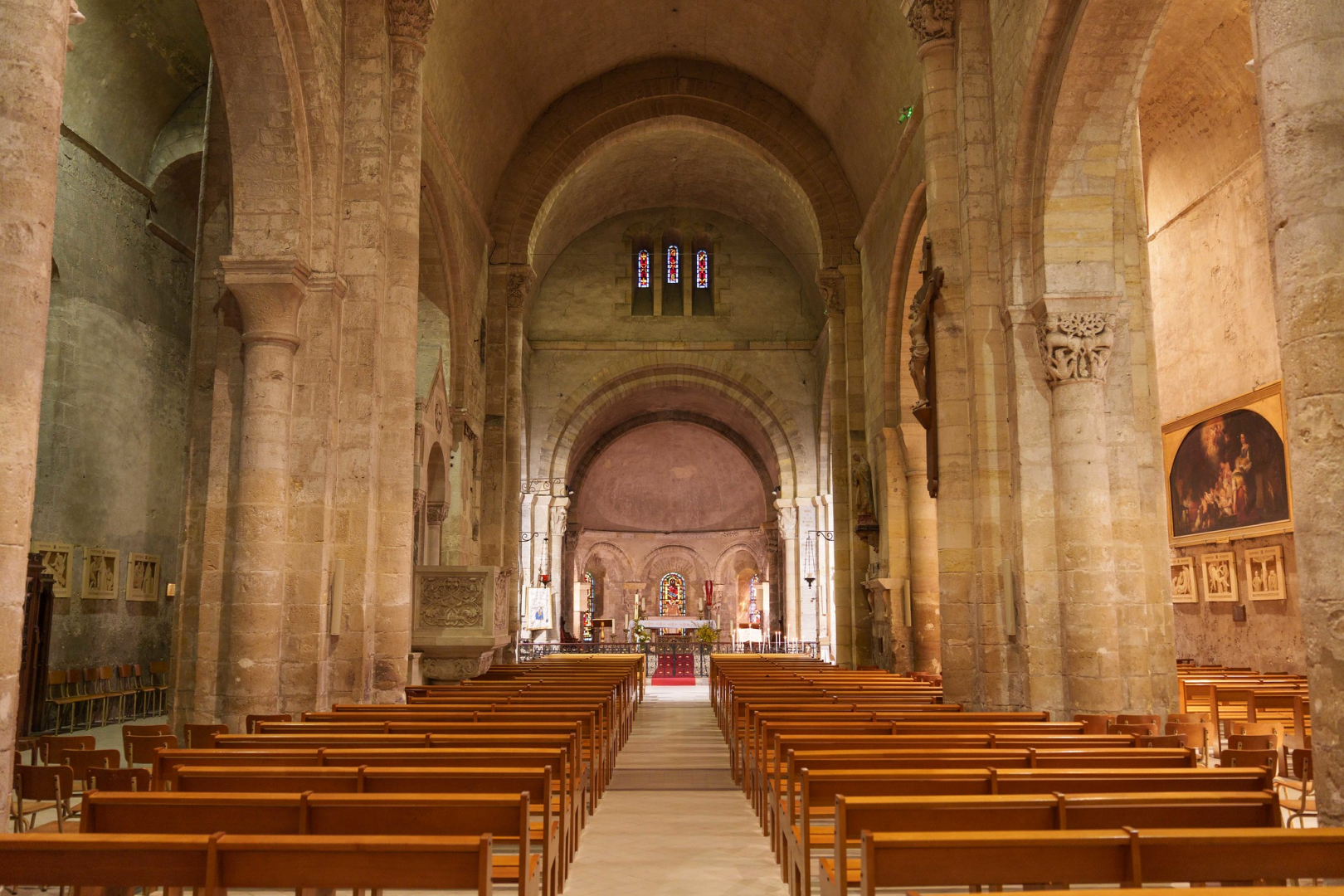
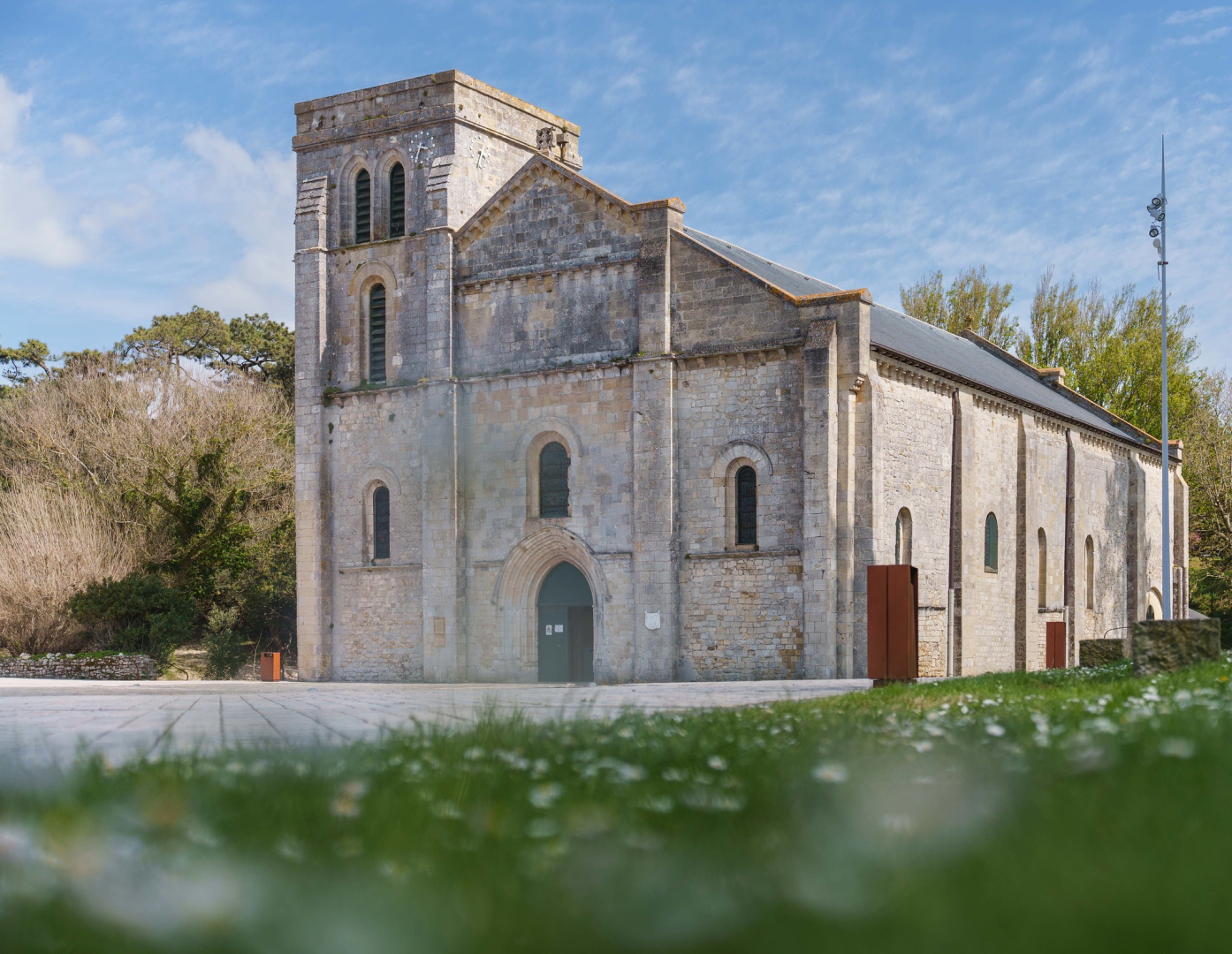
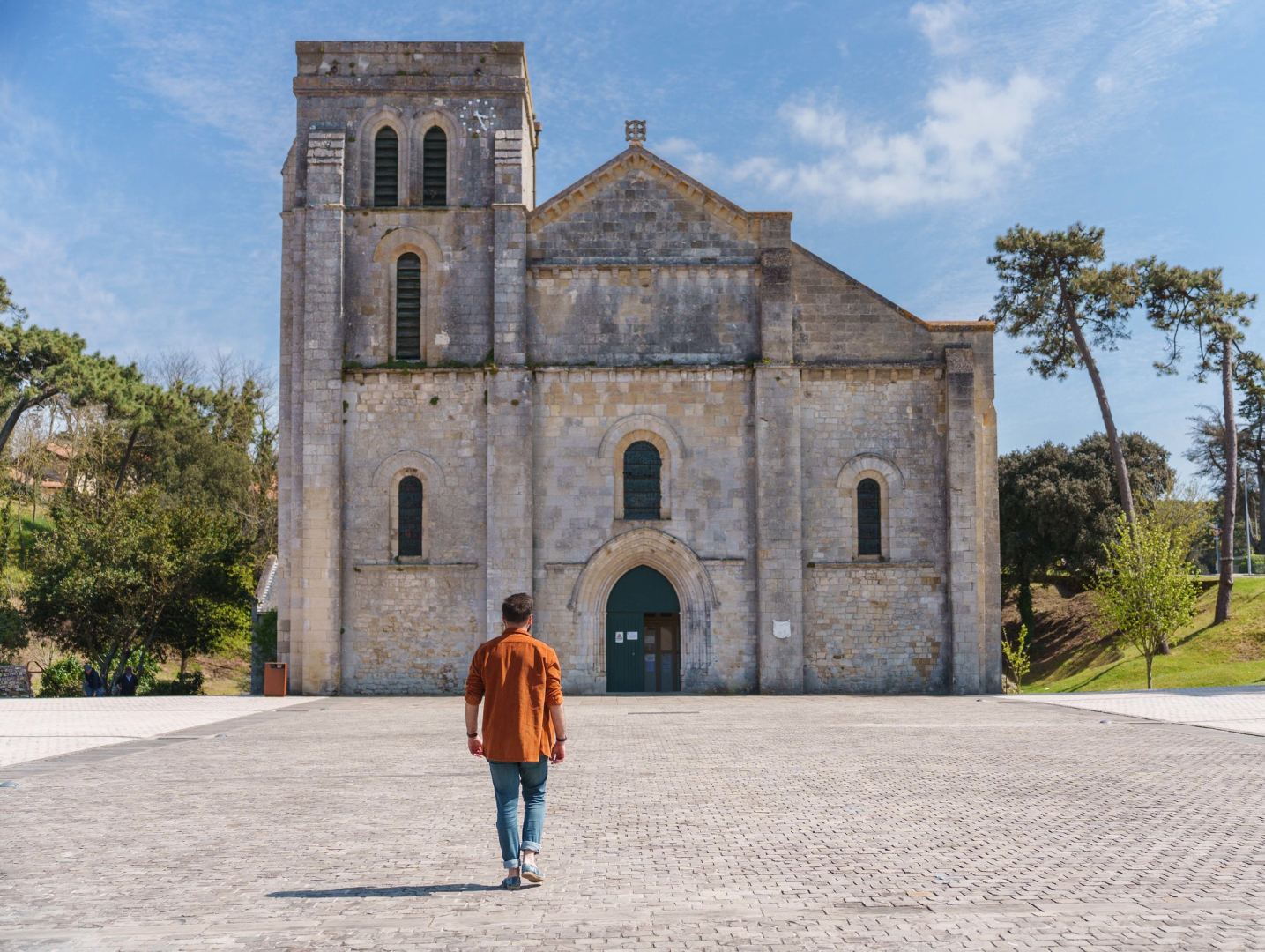
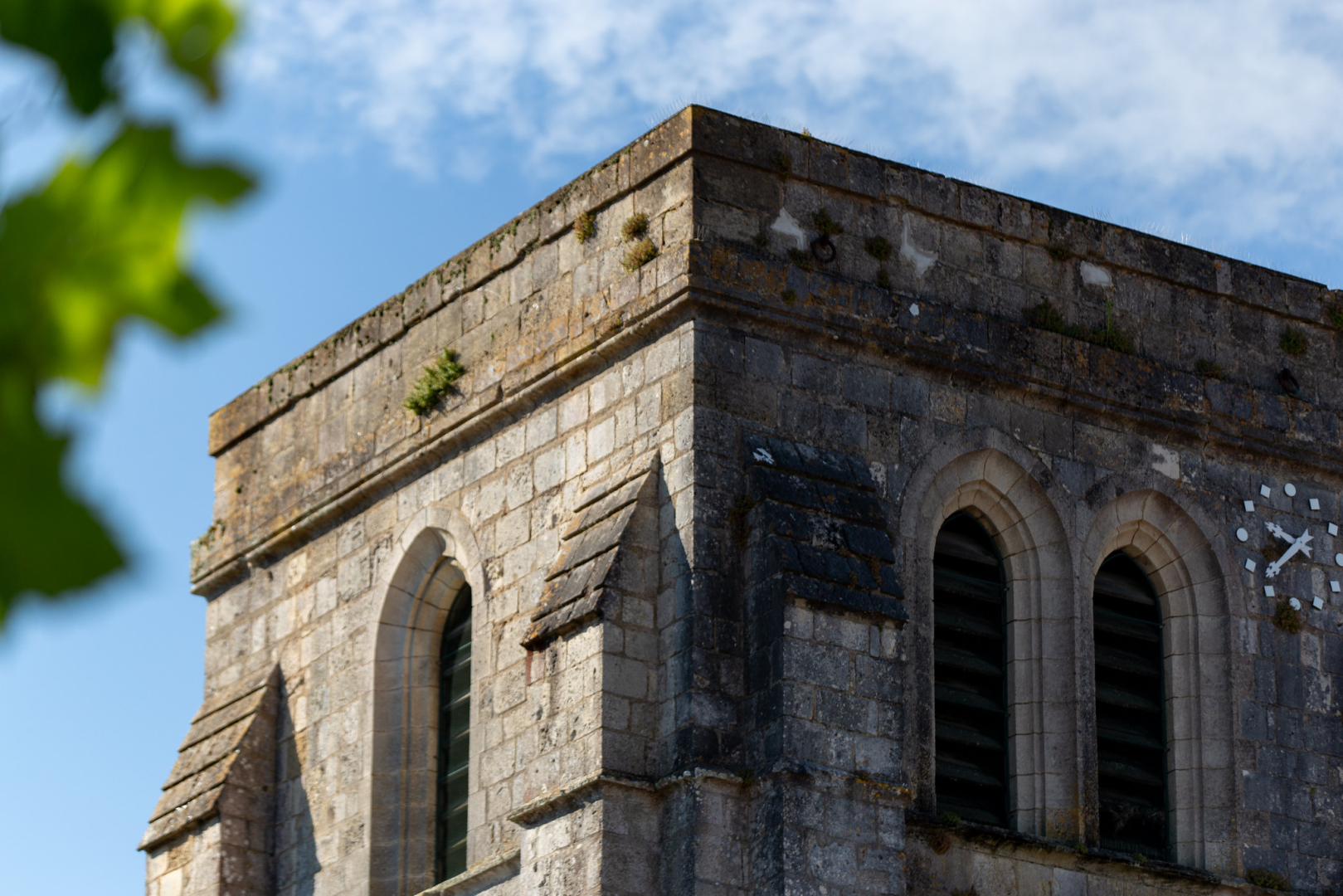
The present-day basilica obviously does not date back to Saint Veronica. Its façade bears traces of 11th-century Romanesque architecture. At that time, pilgrims on their way to Santiago de Compostela from the English lands landed at Soulac-sur-Mer, and Benedictine monks are said to have laid the first stone of this place of worship in homage to Sainte-Véronique and the Virgin Mary (Notre-Dame-de-la-fin-des-Terres, that’s her). Its Gothic ornamentation and large tower date from the 14th century.
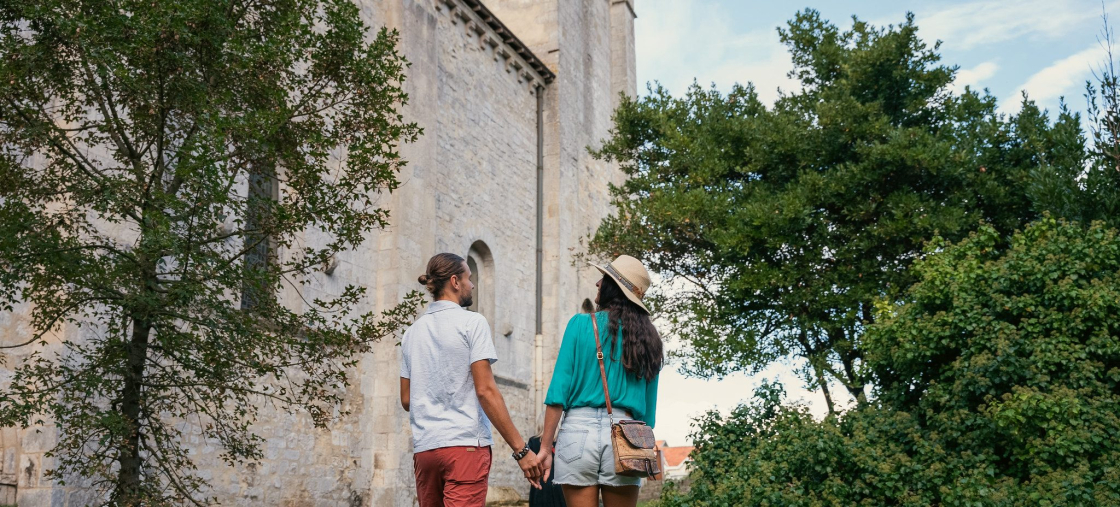
The Basilica of Notre-Dame-de-la-Fin-des-Terres
Prisoner of the sands
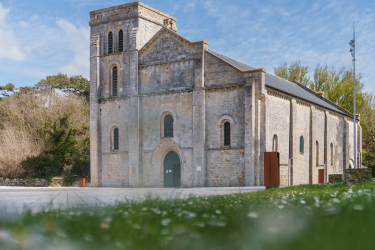
If you take a close look at the exterior doors and stained glass windows of the basilica, you’ll quickly realise that these openings appear to be very low. The reason: erosion of the dunes, which caused the church to sink almost completely into the sand in the 18th century! King Louis XI himself came to witness the tragedy at the time, while the people of Soulac left the old village, which was also a prisoner of the sands.
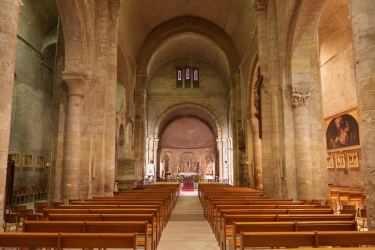
Today, Notre-Dame-de-la-fin-des-Terres and the old village once again enjoy the open air. But 4 metres of Soulac’s history are forever buried beneath your feet, in the church’s basement. The basilica was only partially cleared of sand from the middle of the 19th century onwards: by digging too far, you ran the risk of celebrating mass with your feet in the water…
-
© Nohcab -
-
© Gaëtan Leprévost
-
© Nohcab -
-
© Gaëtan Leprévost
Visit the basilica to find out all you need to know about the cultural and religious history of the Médoc
A fascinating visit
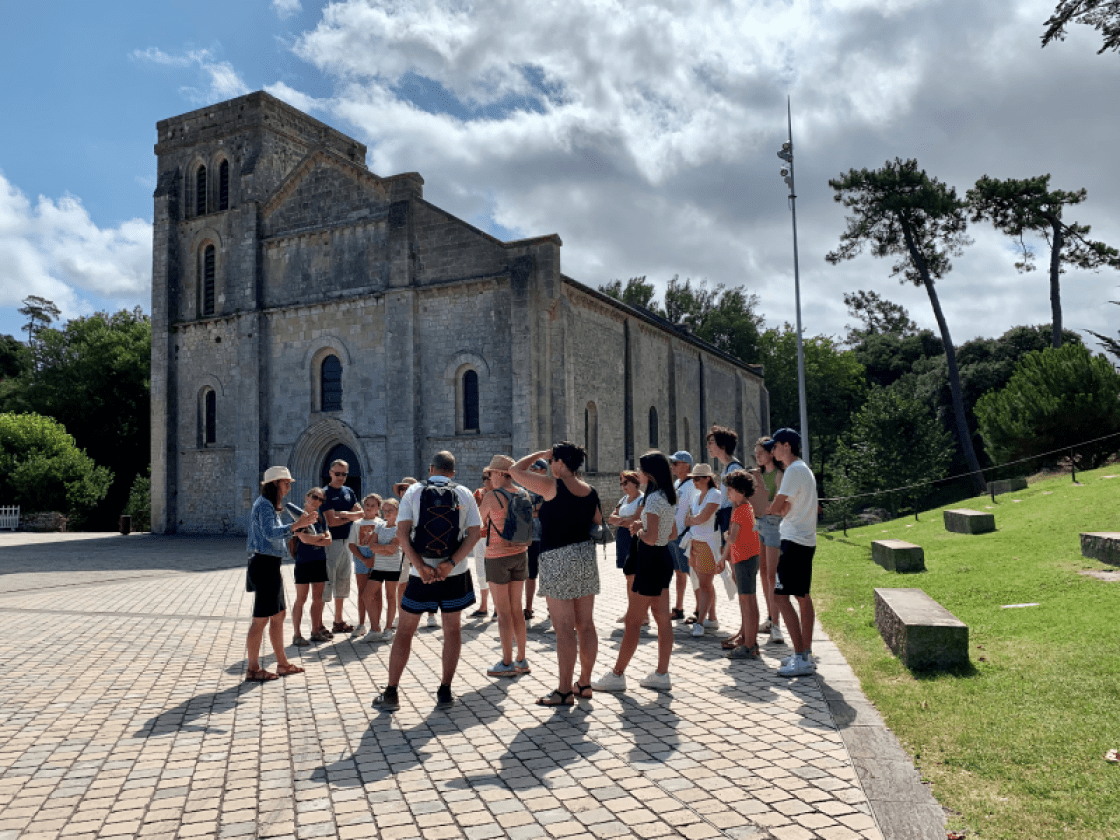
A visit to Notre-Dame-de-la-fin-des-Terres is a fascinating way to discover this piece of Soulac-sur-Mer’s sandy history, and more broadly, the religious and cultural history of the Médoc. There are several options to choose from!
A Tèrra Aventura tour for all the family
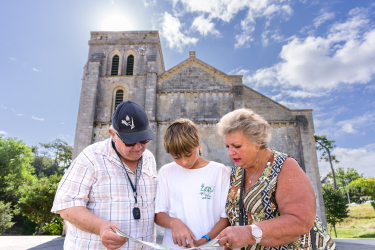
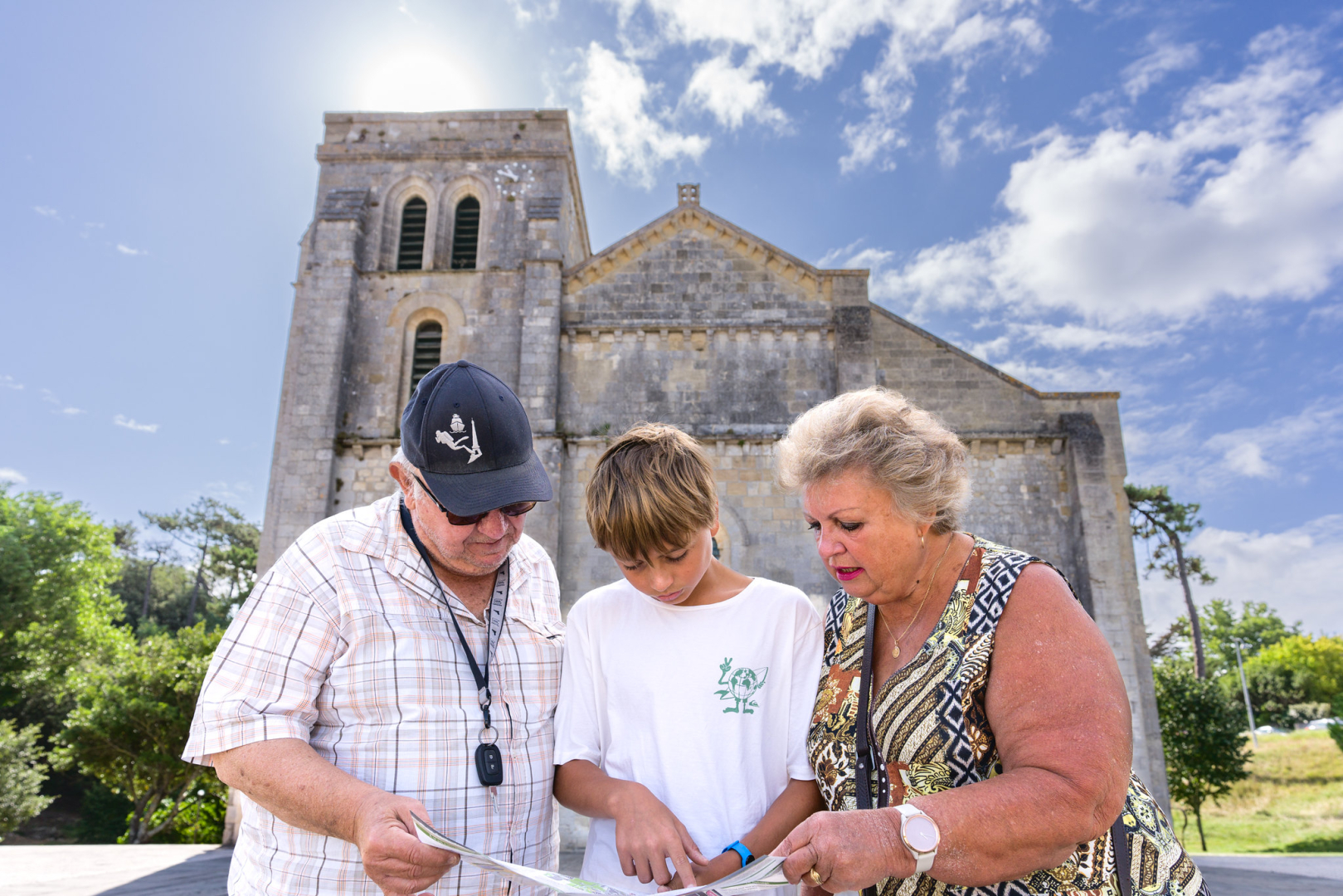
As a family, the Tèrra Aventura trail “To the end of the earth” is packed with anecdotes to keep children interested. More traditional guided tours are available from the Tourist Office.
To find out more
-
Découverte de la basilique et des villas (sur réservation) -
Tèrra Aventura : Jusqu’à la fin des Terres