
A safe holiday
Enjoy a safe holiday on the Atlantic coast by adopting the right habits! Lifeguarded bathing, weather conditions, currents and tides: here you’ll find all the essential information you need for a risk-free holiday. Follow our advice to make the most of the ocean and beaches in complete peace of mind.

Météo des Forêts: fire prevention
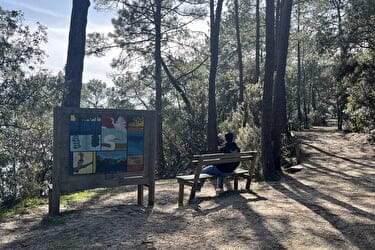
To ensure everyone’s safety and preserve our natural environment, it’s essential to consider the risk of fire before planning your outdoor activities. The forest weather forecast, available on the DFCI Aquitaine website, provides clear, up-to-date information on the levels of vigilance in the region.
Why consult the forest weather forecast ?
Depending on the level of risk indicated (green, yellow, orange, red), certain activities in or near the forest may be restricted or even prohibited. This applies in particular to :
Hiking, horse-riding or cycling,
Picnics or campfires (even in authorised areas),
Outdoor events.
This site offers a practical interface that is designed to help you quickly understand the instructions to follow depending on the weather conditions. It is therefore more precise and concrete than general pages, such as that on the NAFU site, which are often less adapted to local needs.
Adopt the right reflexes! Before setting off on your adventure, check the level of vigilance on the DFCI website and plan your activities with peace of mind. Together, let’s protect our forests and make the most of the Médoc Atlantique’s exceptional landscapes.




Beach safety
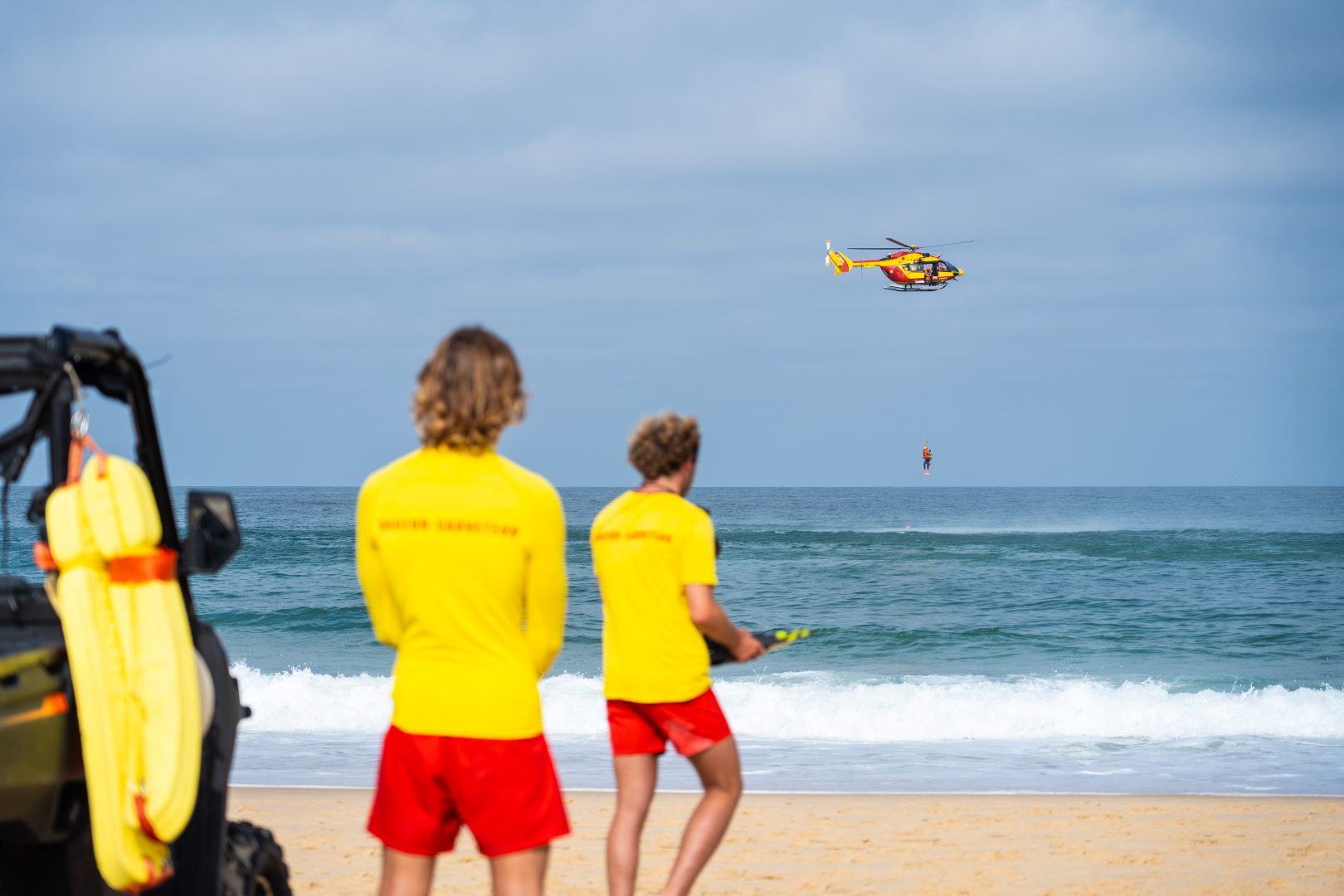
The ocean is as fascinating as it is powerful: we are small compared to this force of nature, and to enjoy the coastline in complete safety, here is some important information:
Signage
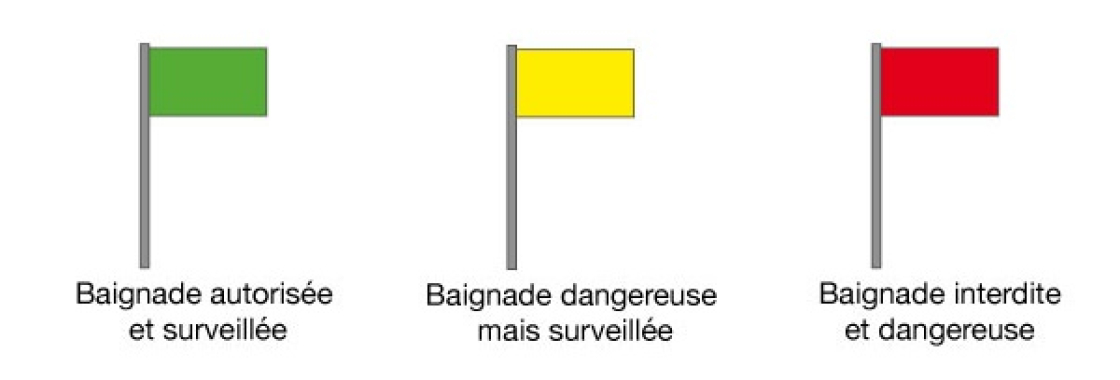
A quick reminder of the meaning of the colours of the flags on the beaches! Keep your eyes peeled before getting into the water:
The green flag (supervised and low risk) remains unchanged.
The orange flag (supervised and medium risk) changes to yellow.
The red flag (swimming prohibited) remains unchanged.
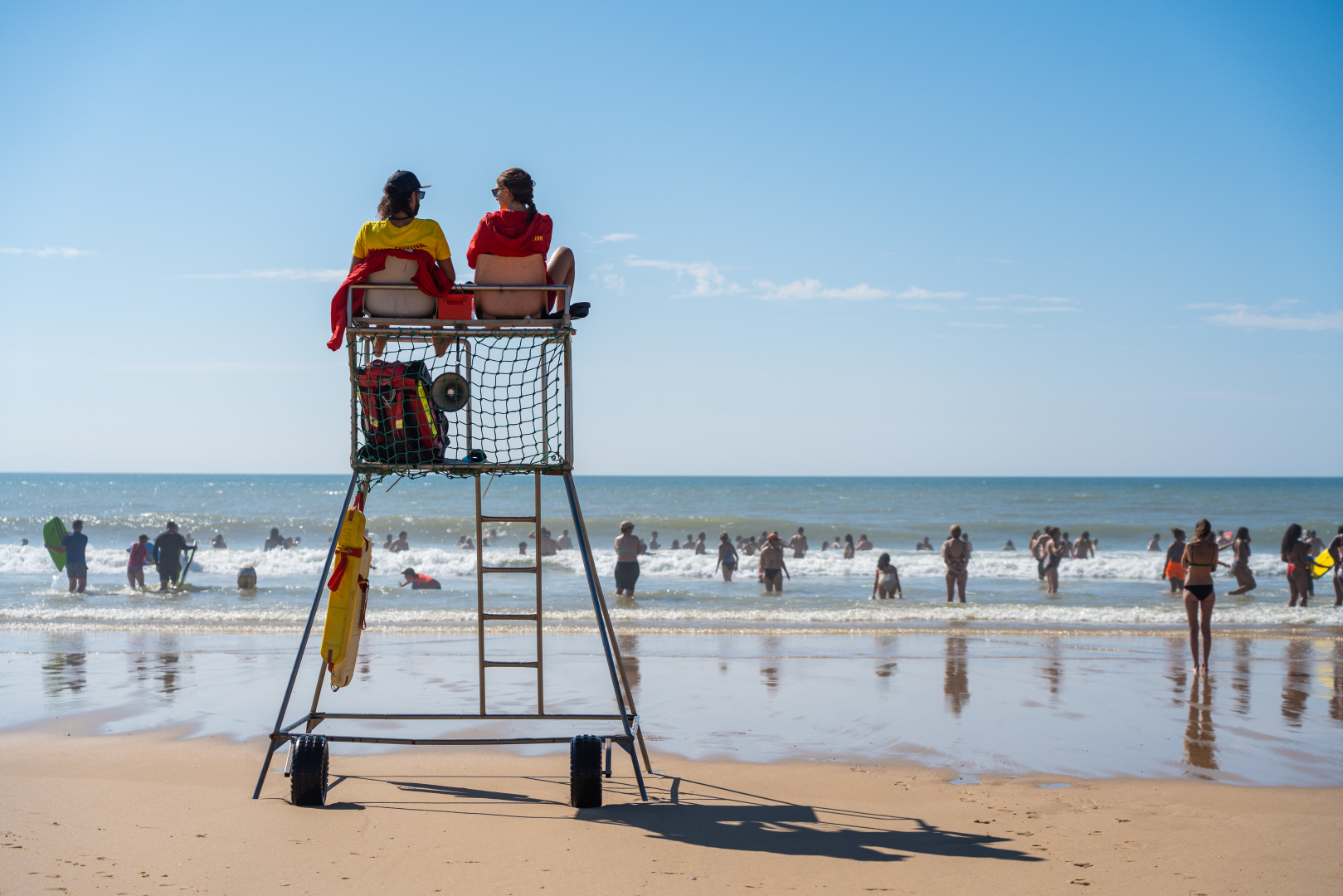
The 2 reds flags marking a supervised swimming area during lifeguard station opening hours.
The purple flag (pollution, dangerous aquatic species, protected underwater area…) remains unchanged.
-
© Alexis Livintzeff -
© Alexis Livintzeff -
© Alexis Livintzeff
-
© Alexis Livintzeff -
© Alexis Livintzeff -
© Alexis Livintzeff
Bayes
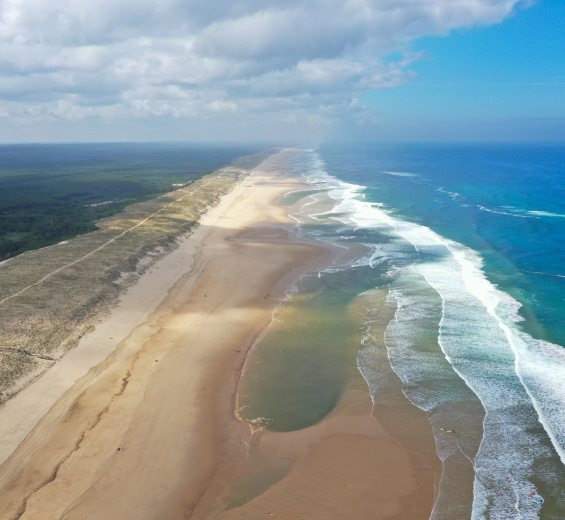
What is a bay inlet?
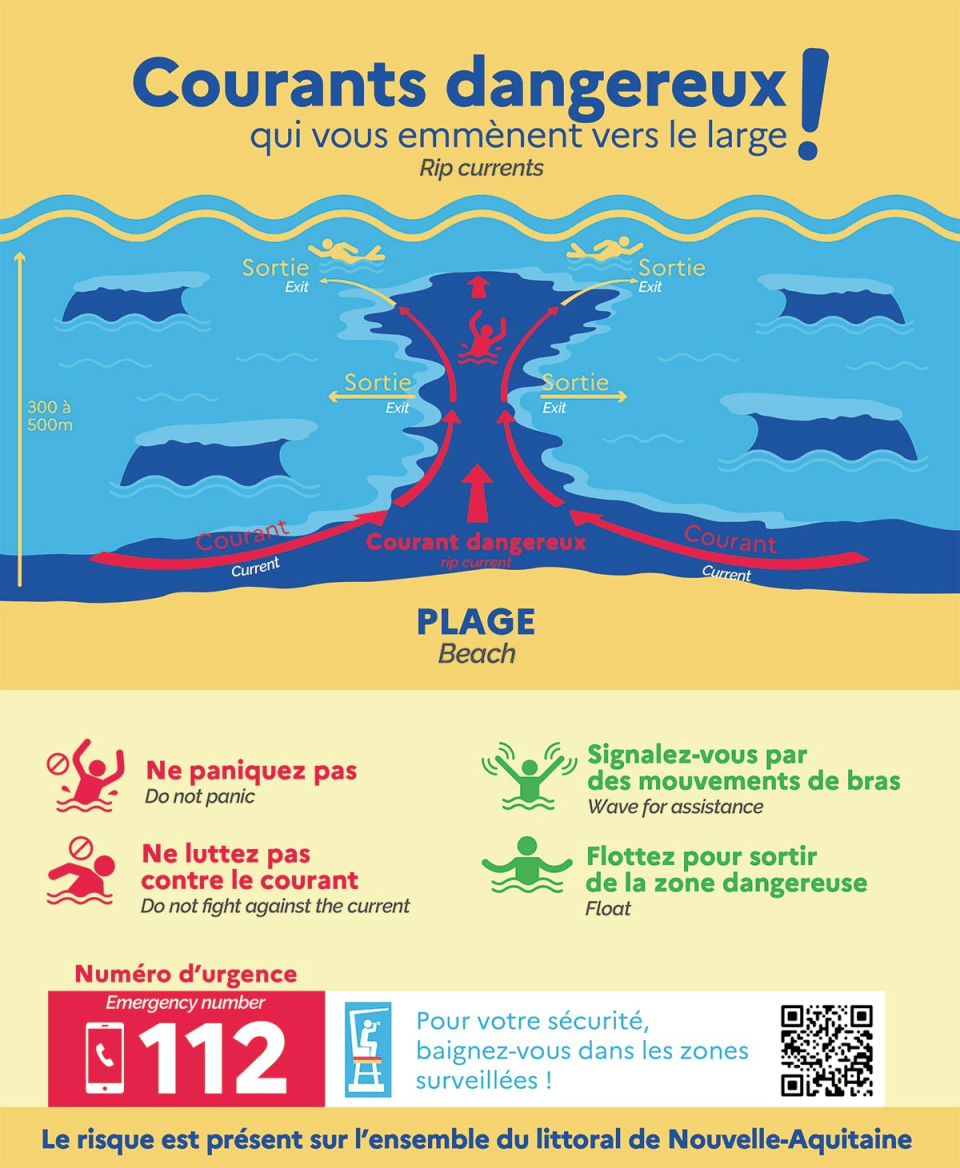
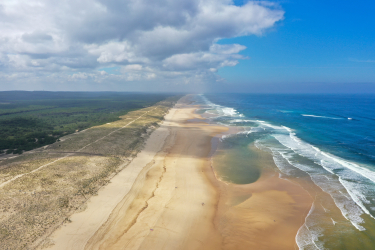
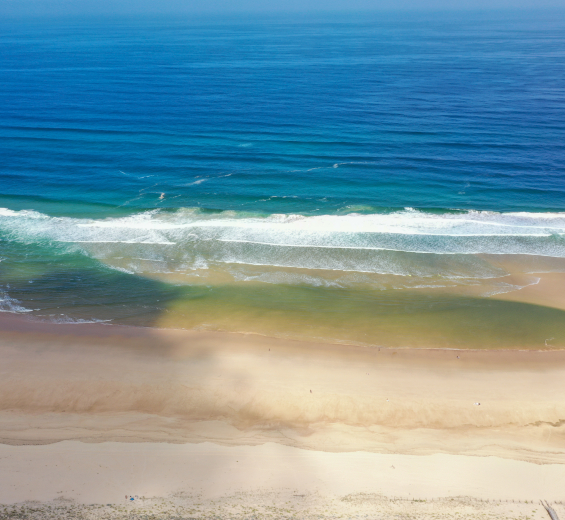
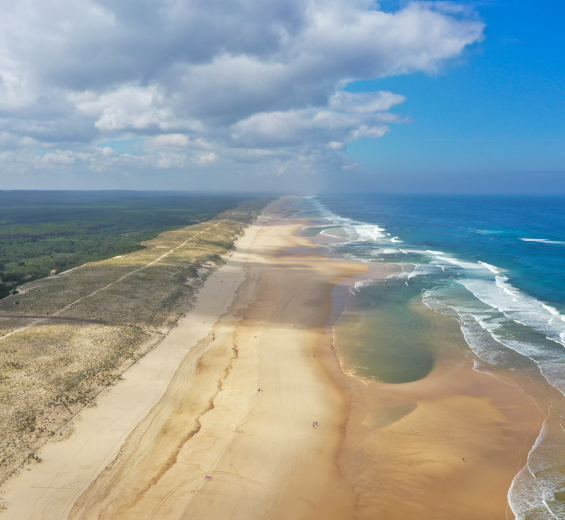
Bayes are the main source of danger when swimming in the ocean. A bay is a hole in the sand on the beach formed by the action of the current, wind and swell.
How does it work?
When the tide comes in, the waves pass over the sandbanks and fill the inlets. They then empty, generating a strong current towards the open sea.
What precautions should you take?
Respect the swimming areas marked with blue flags.
What should you do if you get caught in the current?
STAY CALM
Don’t try to fight the current and signal to lifeguards or surfers.
Try to swim parallel to the beach to get out of the current.
Getting around by bike
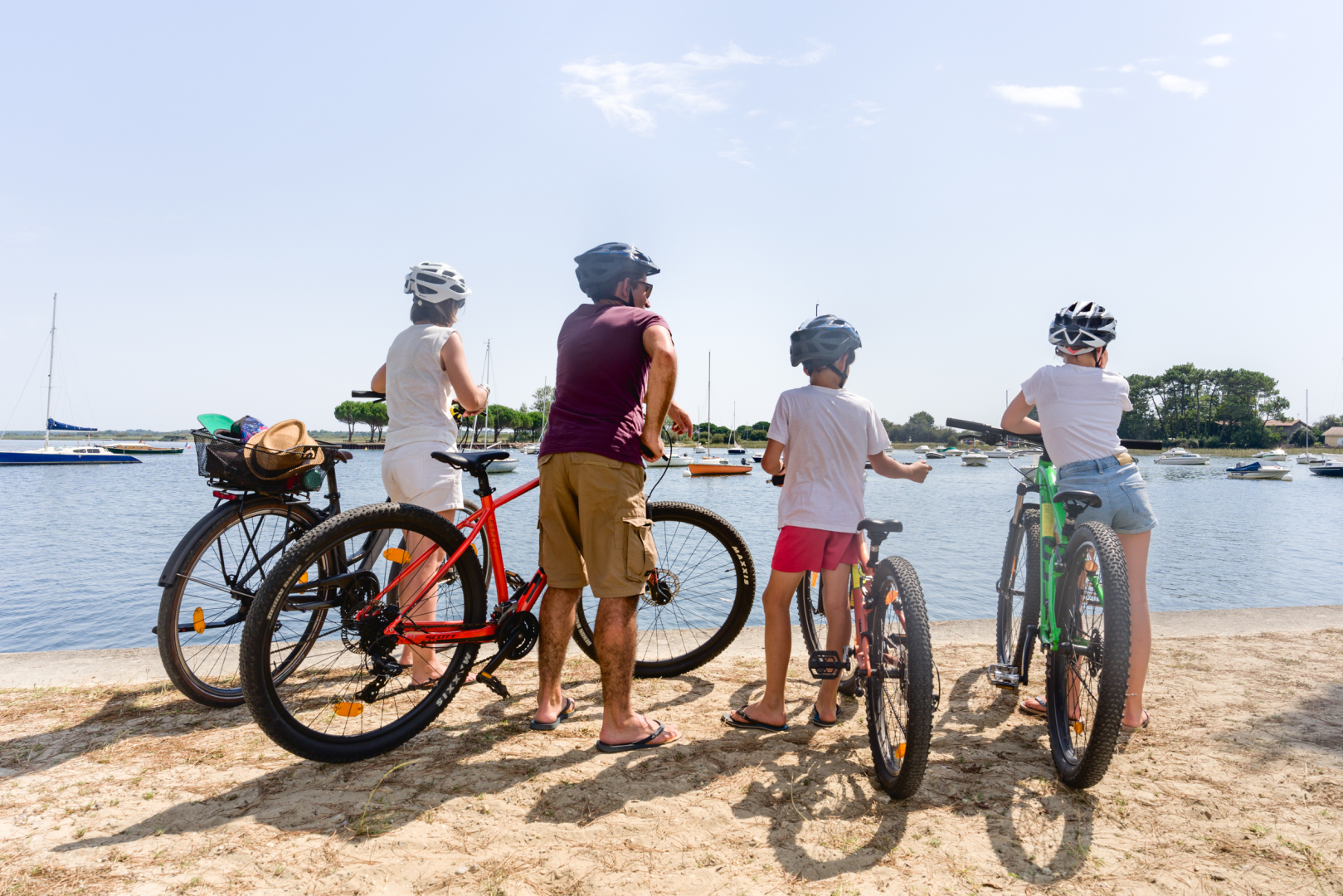
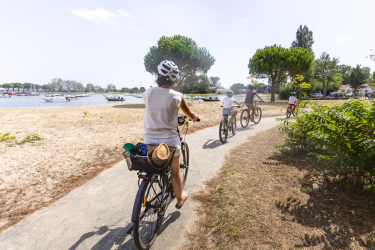
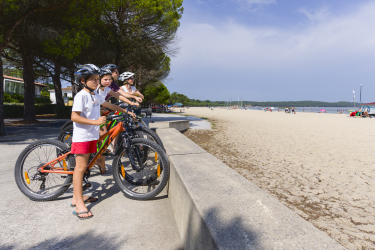
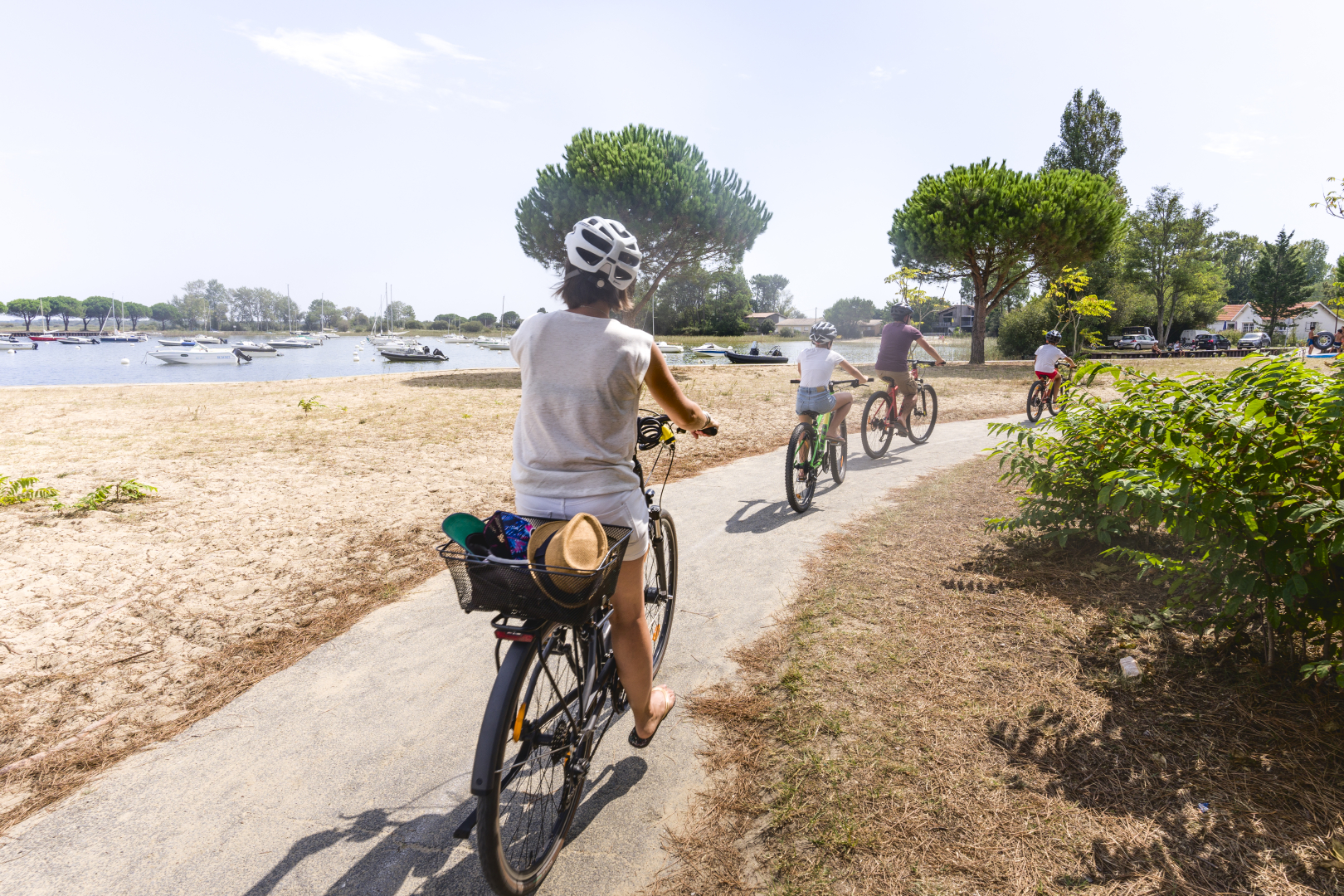
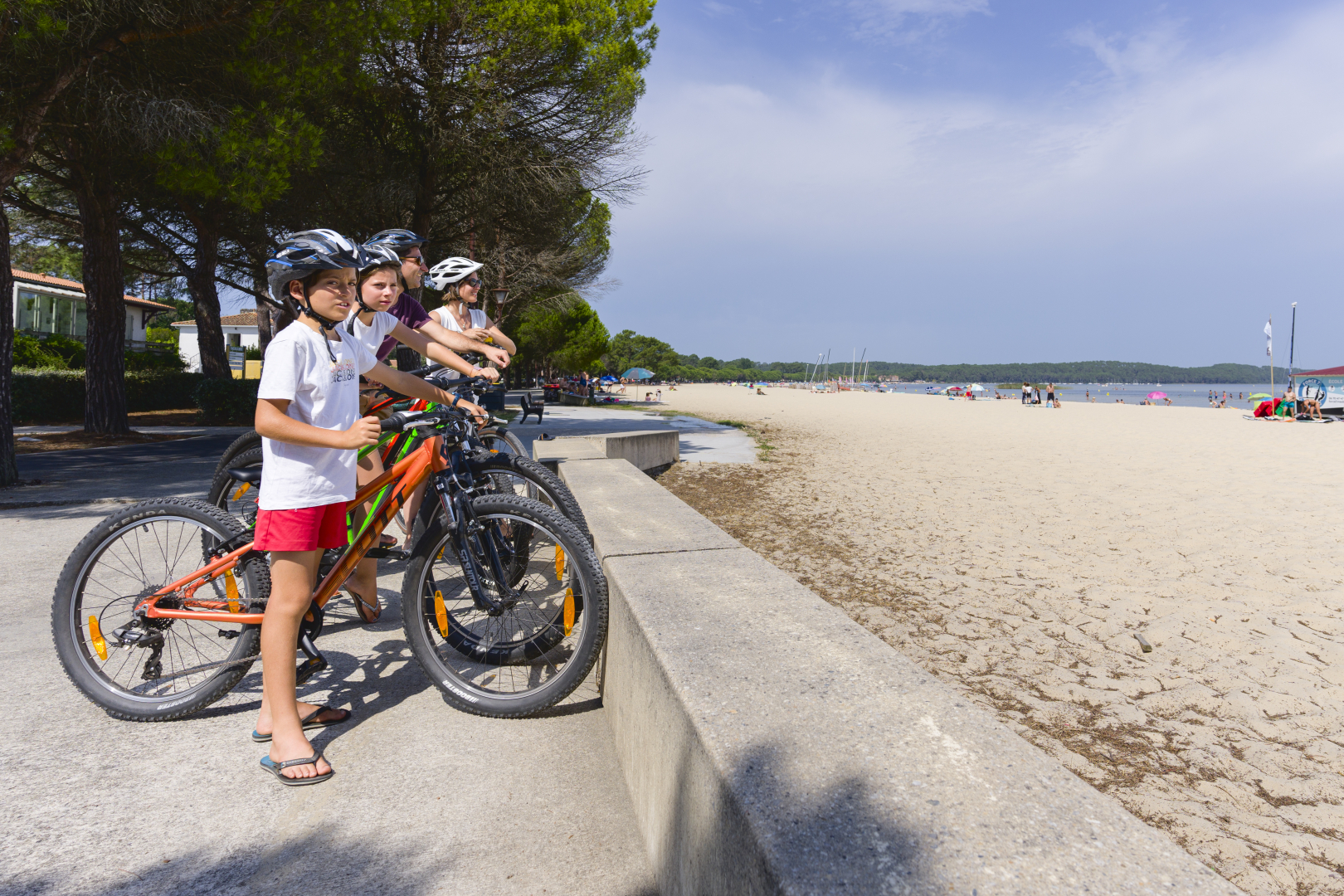
Cycling is one of the destination’s most popular means of transport, so it’s important to remember the rules of good behaviour for getting around safely!
Wearing a helmet is compulsory
Telephoning on a bicycle is prohibited
Use cycle paths and lanes as soon as possible
Take a good look at the condition of the track or road to avoid falls
Respect traffic signs
-
© Gaëtan Leprévost -
© Gaëtan Leprévost -
© Gaëtan Leprévost
-
© Gaëtan Leprévost -
© Gaëtan Leprévost -
© Gaëtan Leprévost
Sunstroke
Sunstroke can occur when an individual has been exposed to the sun and a hot environment for too long.
After sunstroke, it is best to move to cool, shaded areas. It is advisable to drink plenty of water to remedy dehydration and lower body temperature. You can do this by wetting your limbs and the back of your neck, or by immersing yourself in a cold water bath, taking care not to provoke thermal shock.
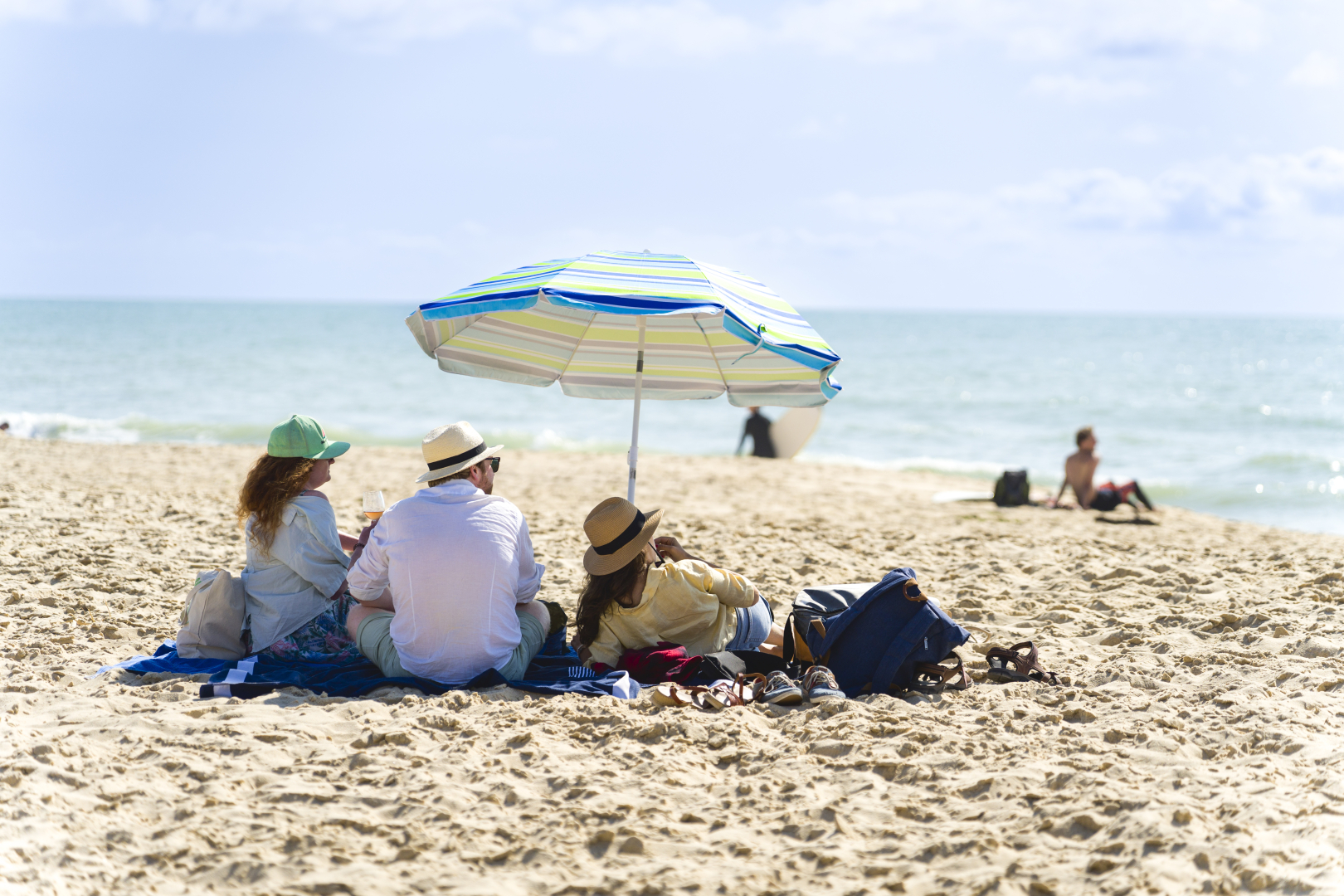
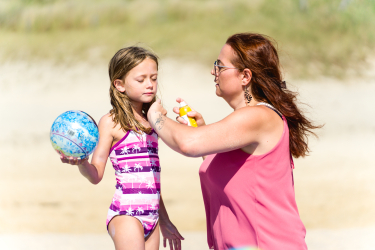
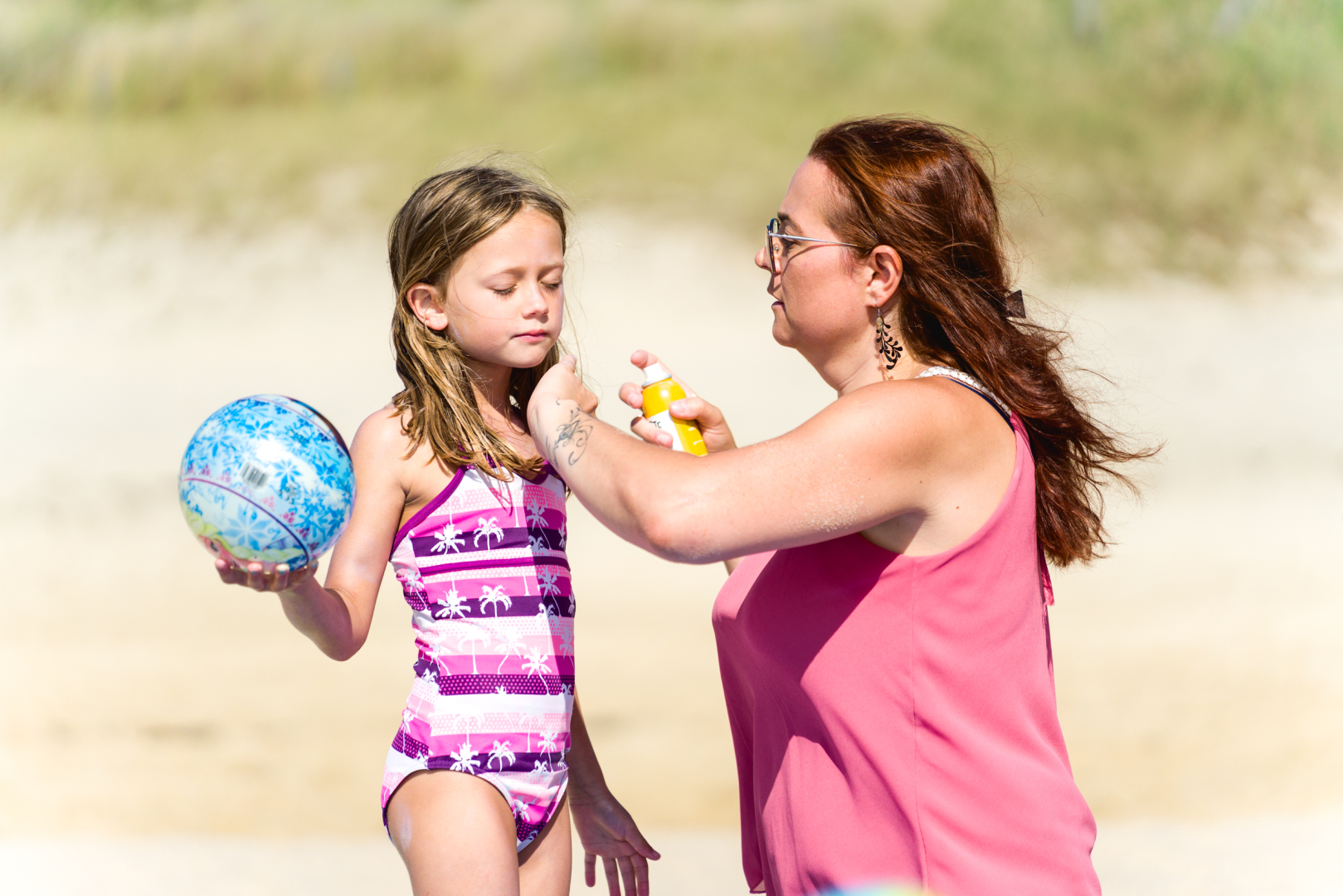
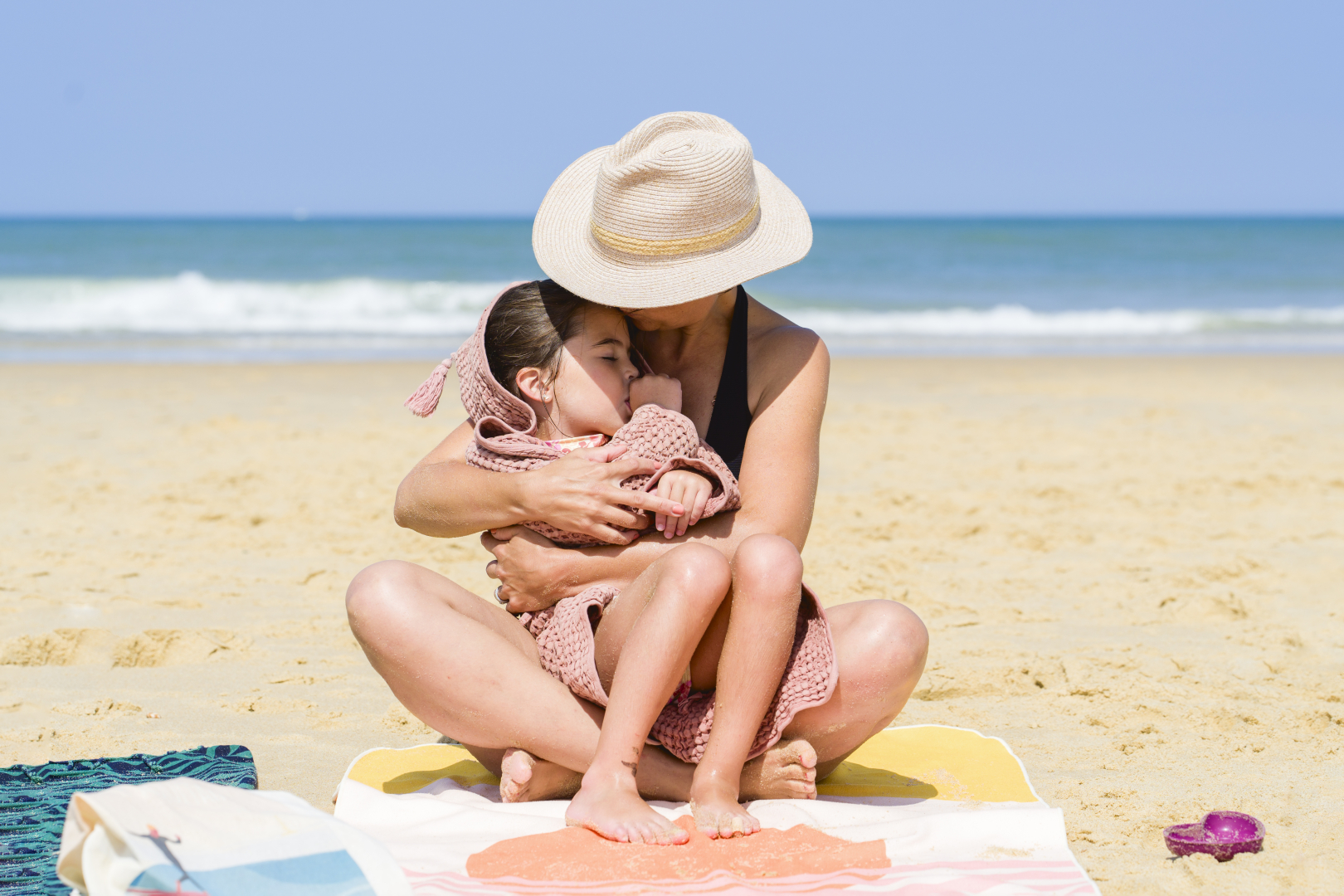
To protect yourself from sunstroke, it is advisable to limit exposure to the sun to the hottest hours (11am – 4pm). It’s important to wear sun protection when out in the sun. It is also advisable to protect your head and neck by wearing a hat, and to hydrate regularly to avoid dehydration.
-
© Gaëtan Leprévost -
© Gaëtan Leprévost -
© Gaëtan Leprévost
-
© Gaëtan Leprévost -
© Gaëtan Leprévost -
© Gaëtan Leprévost
Caterpillars and jellyfish
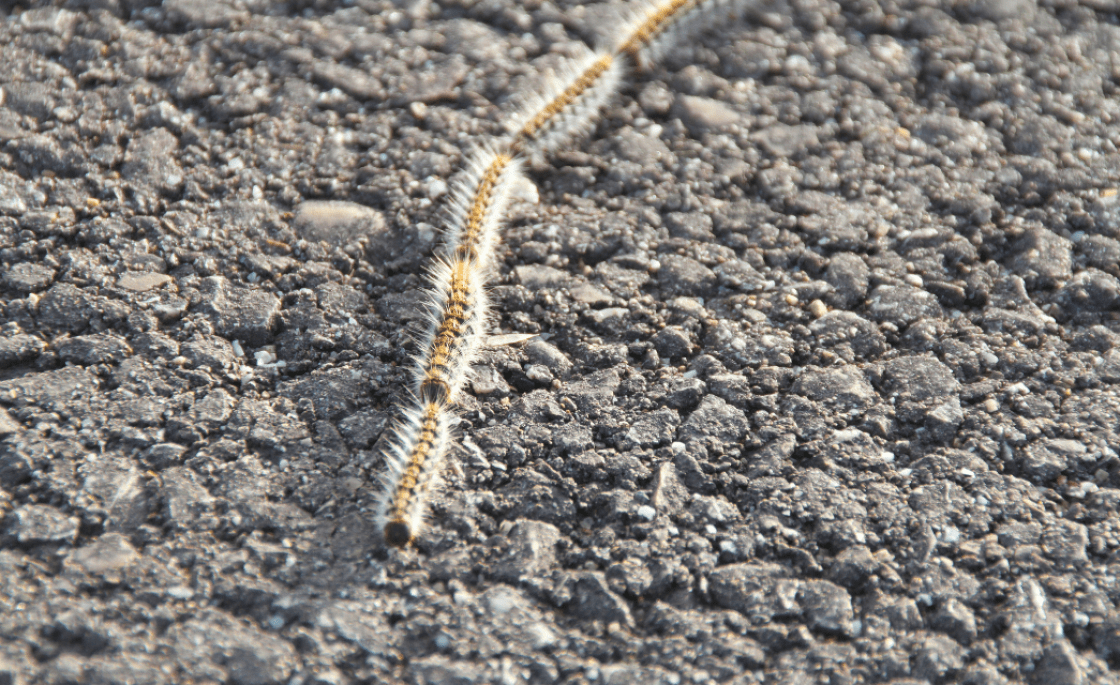
Processionary caterpillars
Do not go near these caterpillars or their nests and, above all, do not touch them;
Do not walk under a tree carrying a nest;
Wear protective clothing (long sleeves and trousers)
Avoid rubbing eyes in the event of exposure
If in doubt about whether you have been exposed to caterpillar hairs, take a shower and change your clothes when you get home.
Jellyfish
Avoid areas frequented by jellyfish.
Heed the warning signs against jellyfish.
Don’t touch jellyfish that have washed ashore.
Get out of the water immediately if you see or suspect a jellyfish.
Hunting
If you’re planning an outing in the woods when hunting season is open, you need to be extra vigilant. The hunting season generally runs from mid-September to the end of February (with some exceptions, check with your local federation).
Be aware of any “Hunting in progress” or “Hunting in progress” signs.
Stay on the trails. It’s best to choose the most popular ones.
Make yourself as visible as possible: wear light, bright colours.
Only go out on clear days, obviously during the day.
If you’re jogging in the forest, banish headphones or earphones that isolate you from outside noise.

Contact us
Need information about the destination, documentation or help preparing your stay in Médoc Atlantique ?
Our local experts are here to help !