
Richard's Lighthouse
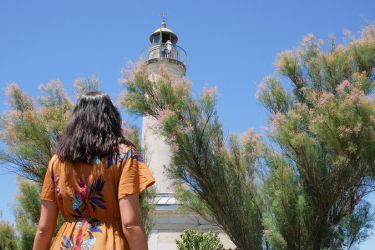
In Jau-Dignac-et-Loirac, overlooking the Gironde estuary, the Phare de Richard offers a glimpse of a more secluded part of the Médoc Atlantique, set amongst marshes, fishing huts and sweeping horizons. People come here to climb to the top of the lighthouse, watch the birds, enjoy a peaceful picnic and take the time to watch the landscape change with the light and the tides.
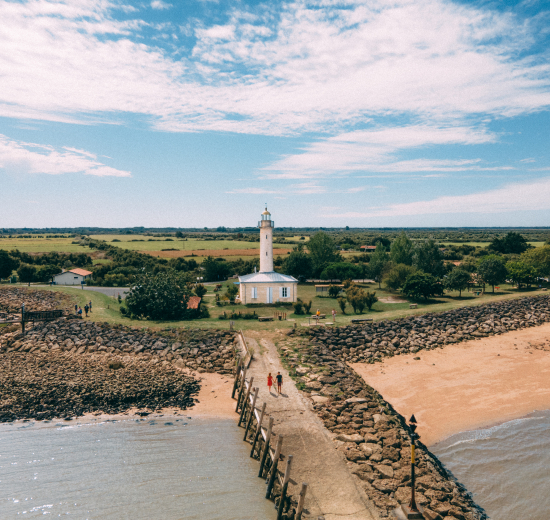

A nature break by the estuary
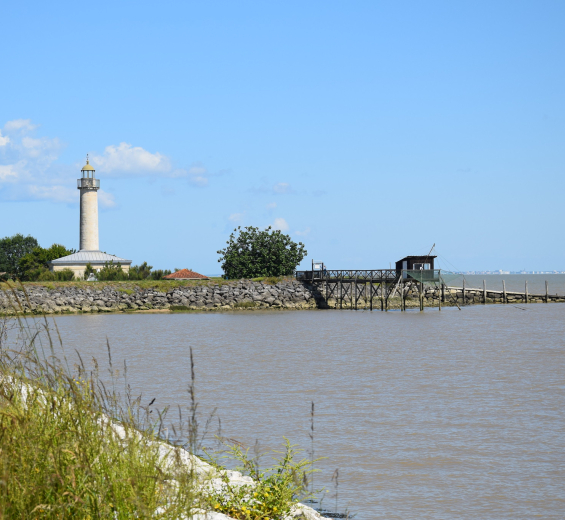
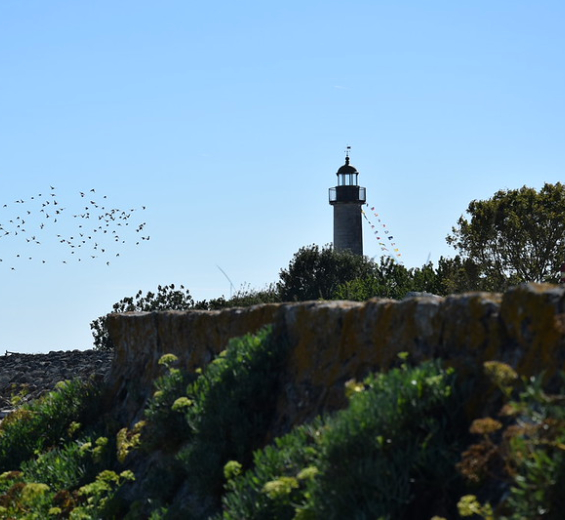
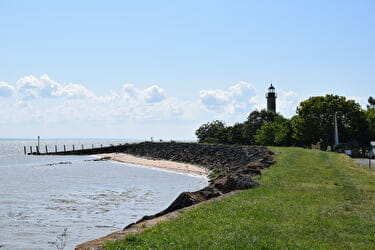
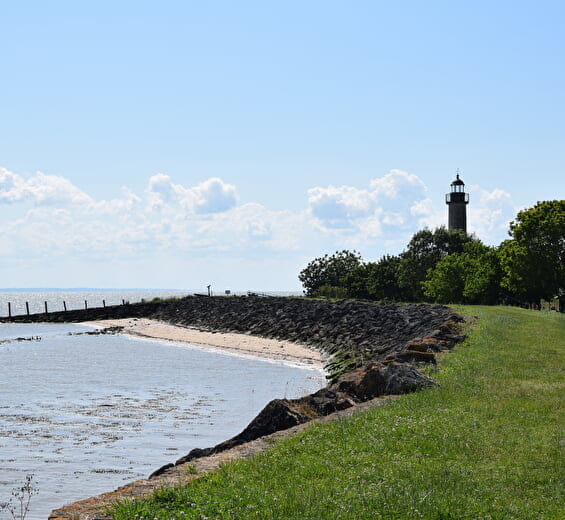
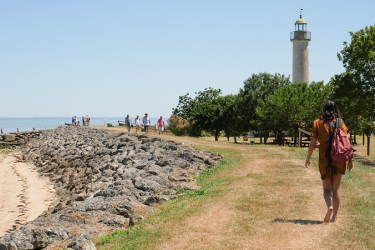
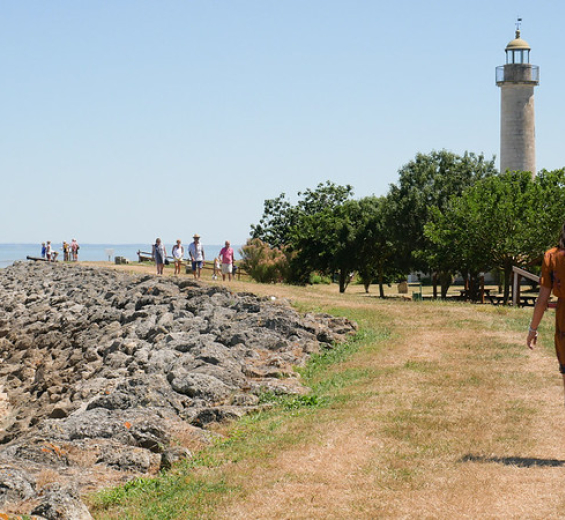
The first thing you notice about Richard’s Lighthouse is its atmosphere. All around you, the marshes, waterways, reed beds and wet meadows come together to form an open, peaceful landscape that seems almost suspended in time. You move forward slowly, taking in the fishing huts lined up along the banks, the reflections on the water, and the birds flying across the sky. Depending on the time of day, the season or the tide, the scenery is never quite the same. That is what gives the place its charm: a simple visit, yet one that offers a profound change of scenery.
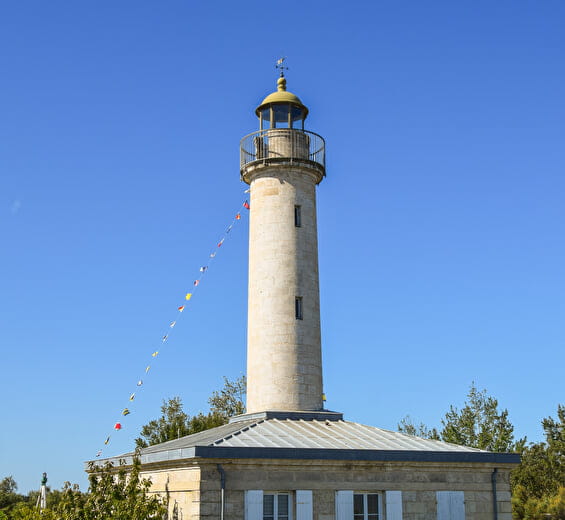
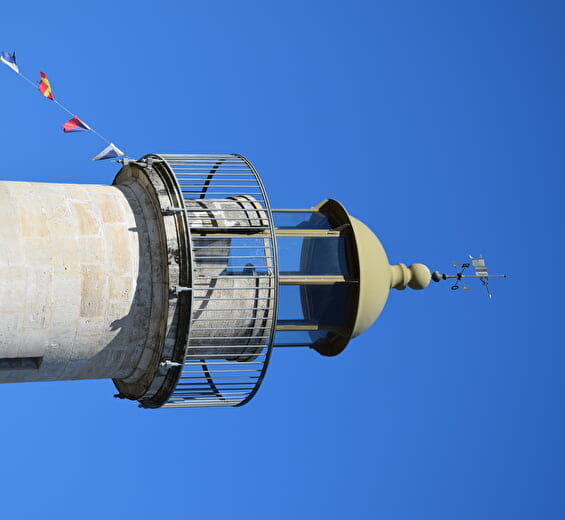
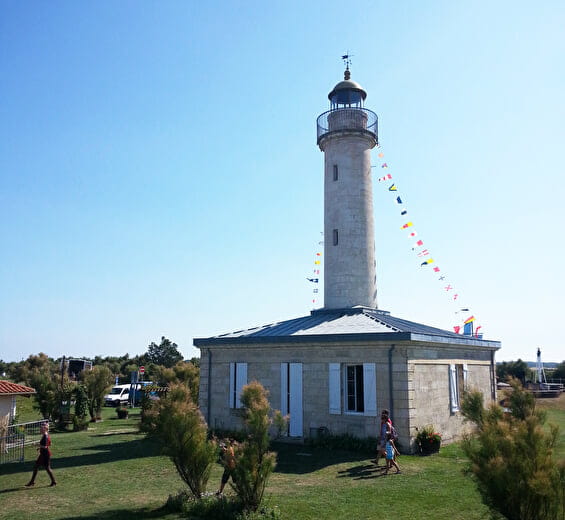
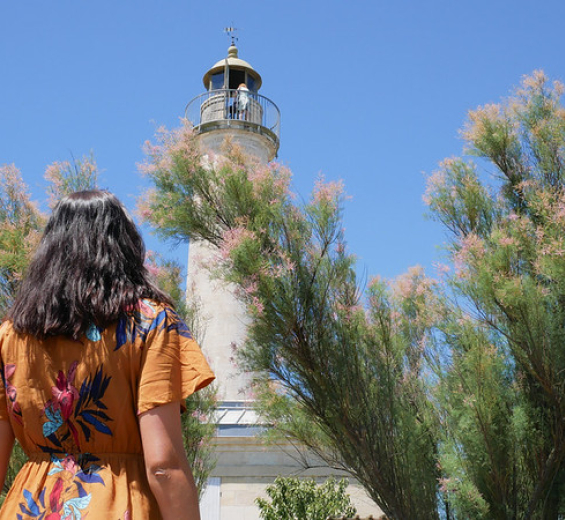
From the top of the lighthouse, after climbing 63 steps, you’re treated to a 360° view of the Gironde estuary. On a clear day, you can make out the Charente banks, the boats, the fishing weirs, the fishing huts and the vastness of this unique estuarine landscape.

Why visit Le Phare de Richard?
To enjoy a 360° view of the Gironde estuary
To watch the birds, the marshes and the fishing huts
To discover a maritime heritage that is understated yet iconic
For a break in the countryside, away from the hustle and bustle of the beaches
For a family picnic in a peaceful and picturesque setting
To discover another side of the Médoc Atlantique – wilder and more estuarine
A stroll amongst fishing huts, marshes and historic sites
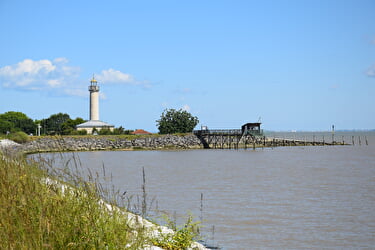
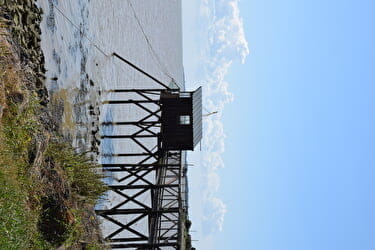
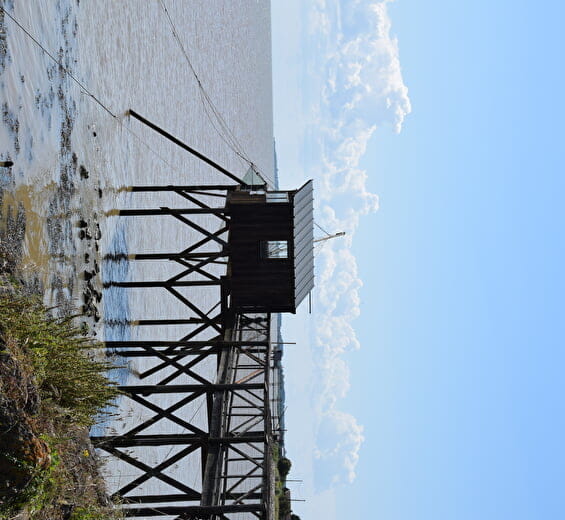
Around the lighthouse, take in the views of the estuary. The ‘carrelets’ – those typical fishermen’s huts dotted along the banks – are an integral part of the area’s character. The site also houses a small museum dedicated to the history of the lighthouse, maritime navigation, fishing, oyster farming, and the local flora and fauna. The visit offers a better understanding of this region shaped by water, the tides and human activity.
An educational carrelet, built in 2008, also allows visitors to discover this fishing method, which is emblematic of the estuary.
The perfect stop for a break between a walk and a picnic
Richard’s Lighthouse is also the perfect place to slow down. With a designated picnic area, tables, public toilets and plenty of open space, it’s easy to enjoy the site with the family, on a bike ride or during a day’s stroll around the estuary. After visiting the lighthouse, settle down facing the estuary, watch the birds, and enjoy the silence and that unique light that gives the landscape the feel of the end of the world. An ideal spot to discover the destination in a more intimate way, combining nature, heritage and the good life.
-
© ø; -
-
-
© ø; -
-
Can we visit Richard’s Lighthouse?
Yes, the Richard Lighthouse is open to visitors from March to October. Between June and September, the Richard Lighthouse is open seven days a week. During your visit, you can explore the museum and learn about its maritime history, as well as climb the 63 steps to the lantern to enjoy a 360° panoramic view of the Gironde estuary.
What is there to see around Richard’s Lighthouse?
Around Richard’s Lighthouse, you can see the marshes, channels, reed beds, wet meadows and fishing huts typical of the estuary’s banks. The information boards on site also help you to better understand these landscapes.
What birds can be seen on the Gironde estuary?
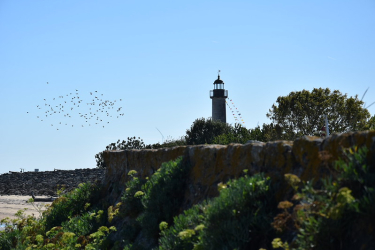
The Gironde estuary is an ideal spot for observing wild birds, both migratory and resident. Depending on the season, you may spot herons, storks, harriers, passerines, common snipes, kingfishers or even common cranes.
What are the square stones visible around Richard’s Lighthouse?
Carrelets are traditional fishing huts situated on the banks of the estuary. Around the Richard Lighthouse, they form part of the landscape and bear witness to the fishing practices associated with life in the estuary.
Is it possible to visit Richard’s Lighthouse with children?
Yes, Richard’s Lighthouse is a lovely place to visit with children. With the climb up to the lighthouse, the small museum, the outdoor areas, the information boards and the picnic area, the visit combines exploration, nature and heritage.
Is it possible to have a picnic at Richard’s Lighthouse?
Yes, there is a designated picnic area on site, complete with tables and public toilets. It’s the perfect place to stop for a break after a walk or a visit to the lighthouse, with peaceful views of the estuary.
How long should I allow for a visit to Richard’s Lighthouse?
Allow at least an hour to explore the lighthouse and the museum and take in the views. If you’d like to have a stroll around the site, go birdwatching or have a picnic, you’ll need to set aside half a day.
Why is Richard’s Lighthouse called that?
Its name is said to derive from ‘Richard’s Tree’, a navigational mark once used by sailors to avoid the vast mudbank known as Richard’s Platin, in the Gironde estuary.
When was Richard’s Lighthouse built?
The first lighthouse was built in 1843, before a second, metal lighthouse took over in 1870. The one we visit today is 18 metres high and has 63 steps leading up to the lantern.
What was the purpose of Richard’s lighthouse?
Once a maritime navigation light, the lighthouse was formerly used to guide ships through the estuary. Now converted into an educational site, the Phare de Richard combines maritime heritage, natural landscapes and local history. After several years of neglect, the site was purchased by the municipality of Jau-Dignac-et-Loirac in 1988, then restored and brought to life by the Association Communale du Phare de Richard, founded in 1992.
Further reading
Contact us
Need information about the Richard Lighthouse, the estuary or the destination as a whole to help you plan your stay in the Médoc Atlantique?
Our local experts are here to help!