
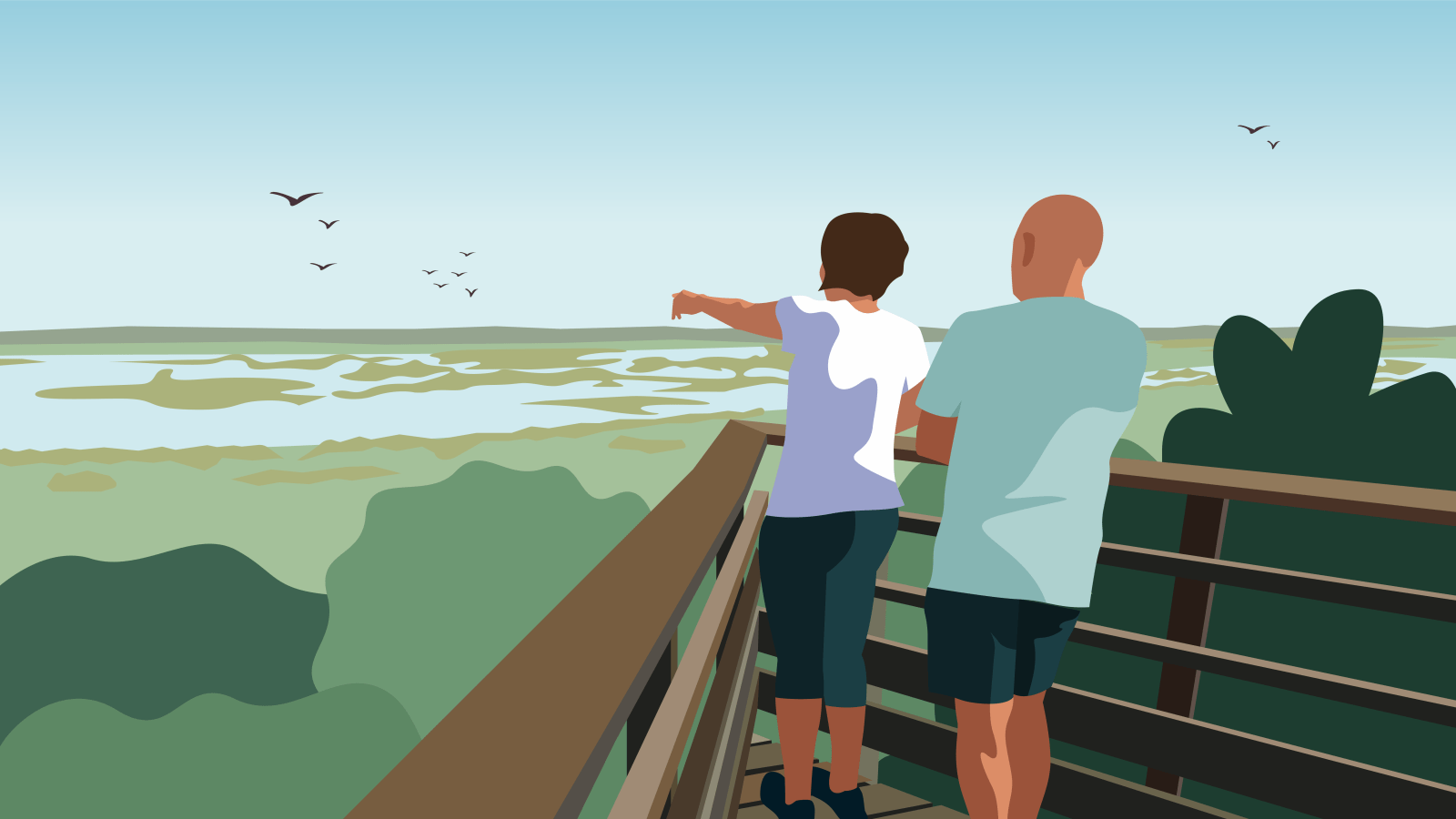
Discovering the Étang de Cousseau nature reserve
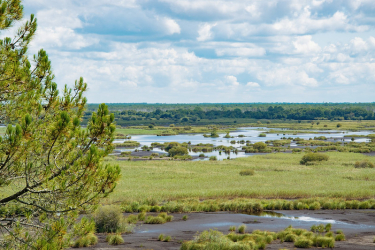
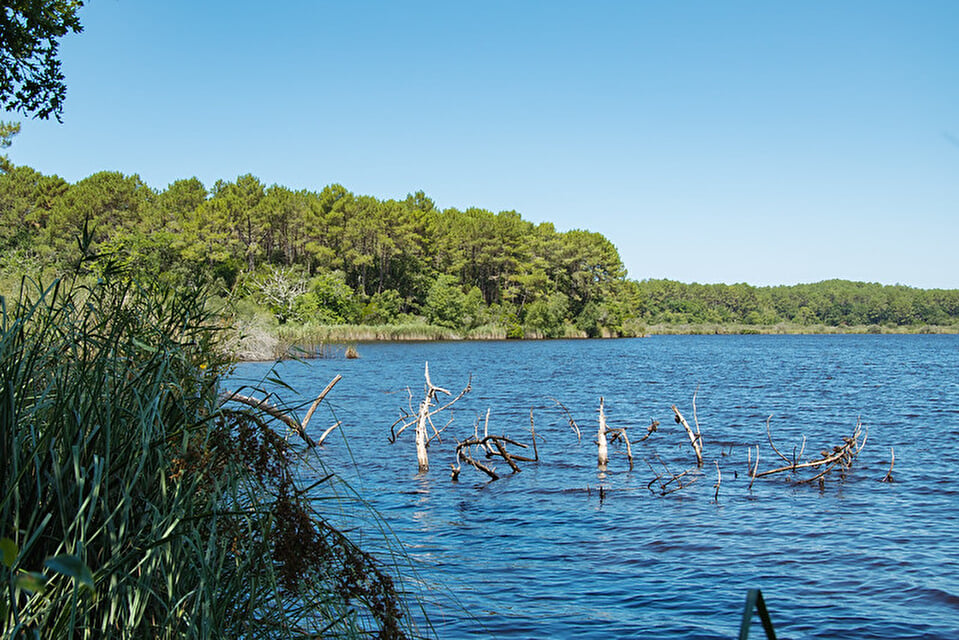
Located between Lacanau and Carcans, the Étang de Cousseau Nature Reserve is one of the most beautiful natural sites to discover in Médoc Atlantique. This is the perfect place to walk, observe, breathe deeply and immerse yourself in a protected landscape of forest, ancient dunes, marshland and lake. An ideal outing for nature lovers, gentle walkers and wildlife watchers.
Walking in the Étang de Cousseau Nature Reserve
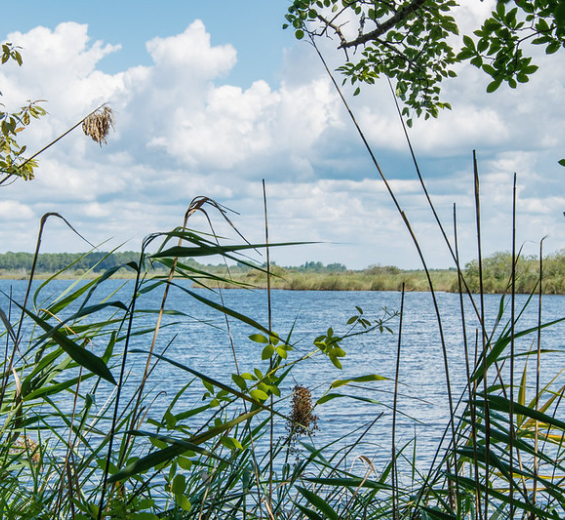
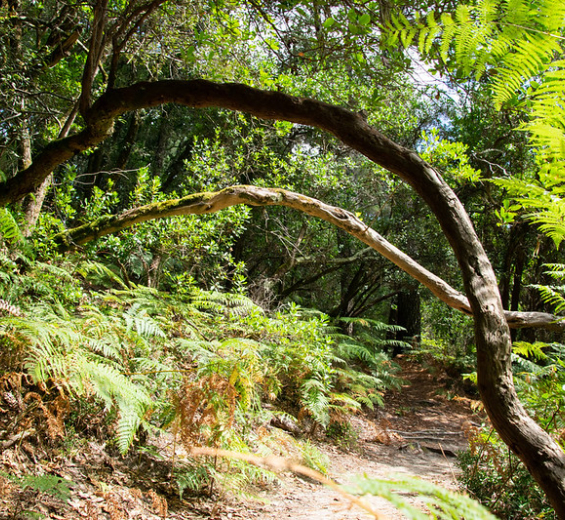
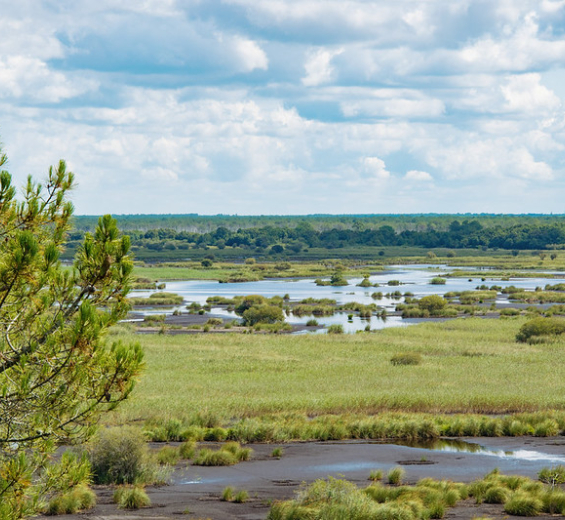
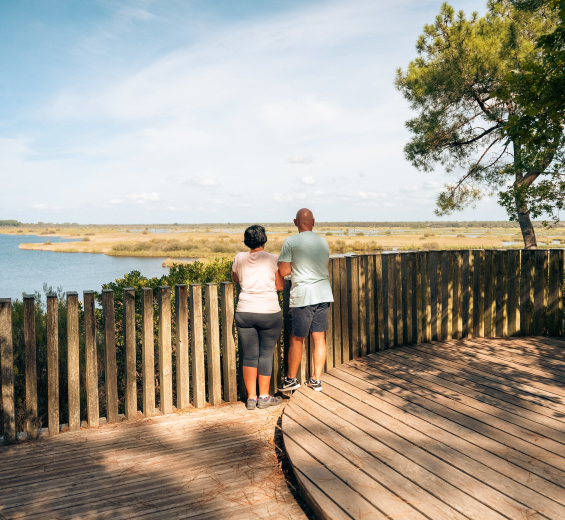
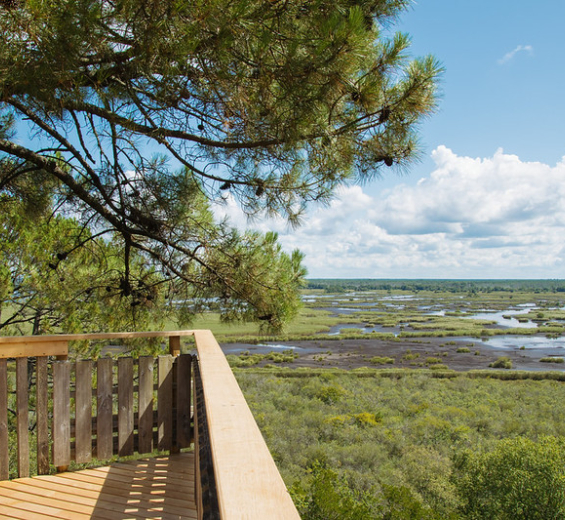
The reserve is mainly explored on foot, along natural trails crossing a variety of landscapes: pine forest, wetlands, ancient dunes, viewpoints and lakeside areas. It is a walk to plan over several hours, perfect for taking the time to enjoy the atmosphere of the site without rushing. Several viewpoints around the lake offer beautiful panoramas over the landscape.
From the main access point, the route invites you to slow down. Little by little, you leave the lively coastline behind and enter a quieter place, where the scent of pine trees, birdsong and the changing light through the forest accompany your walk.
This outing can be enjoyed as a family with children who are used to walking. Remember to bring good shoes, water and sun protection. Some parts of the trail remain natural and may be less suitable for a standard pushchair.

A nature outing on foot, by bike or with the family
The Étang de Cousseau Nature Reserve fits perfectly into a nature day around Lacanau or Carcans. You can reach the area by bike via the surrounding cycle paths, then continue your visit on foot inside the reserve.
It is a lovely idea for a day out combining beach, lake and forest during your holiday. The pace is calm, the landscapes change along the way and the observation points are perfect for taking breaks with children.
Before setting off, check the weather and bring suitable equipment: closed shoes, a water bottle, a cap, binoculars if you enjoy birdwatching, and something to take your rubbish back with you.
Discovering the reserve’s fauna and flora
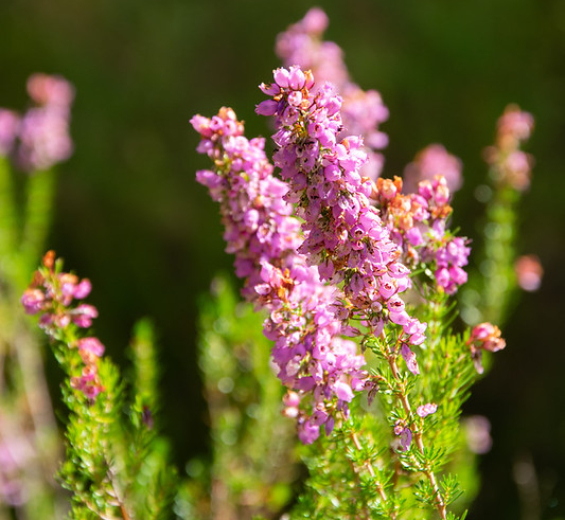
The Étang de Cousseau Nature Reserve protects a wide variety of natural environments. Between forest, marshland, lake and dunes, it is home to many plant and animal species.
Along the walk, you may spot dragonflies, birds, reptiles such as the European pond turtle, as well as plants typical of wetland and forest habitats. Much of the pleasure of the visit lies in the details: a rustle in the grass, a bird flying over the lake, or the light changing over the marshes.
To make the most of wildlife observation, stay quiet, follow the marked trails and keep your distance from the animals.
-
© Noé Bugnot -

© Noé Bugnot -
-
© Noé Bugnot -

© Noé Bugnot -

Guided and educational tours
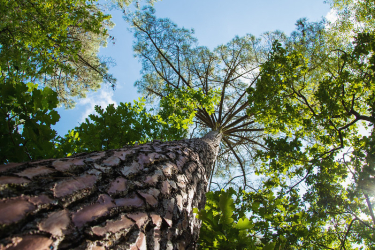
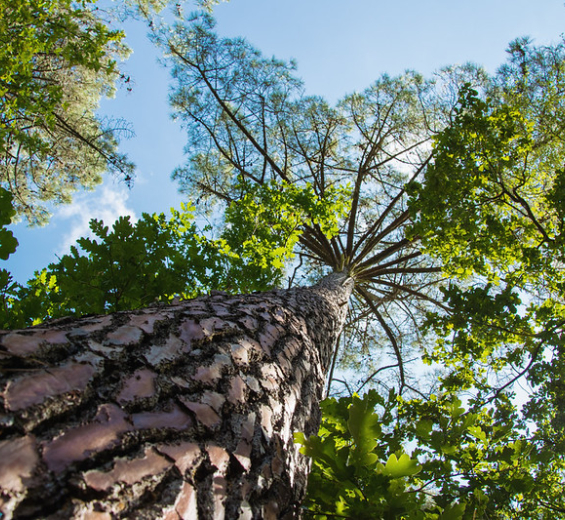
Explore the Etang de Cousseau nature reserve in the company of a guide! Take advantage of this unique experience to plunge into the heart of nature. Learn to recognise the maritime pine, the arbutus or the eagle fern by observing them up close. If you’re lucky, you might come across theEuropean cistude tortoise or one of the 39 species of dragonfly that inhabit this ecosystem. This guided walk will take you through dunes and forests for a complete immersion experience. For full details of the tours, contact the Médoc Atlantique Tourist Office.
Watching common cranes in season
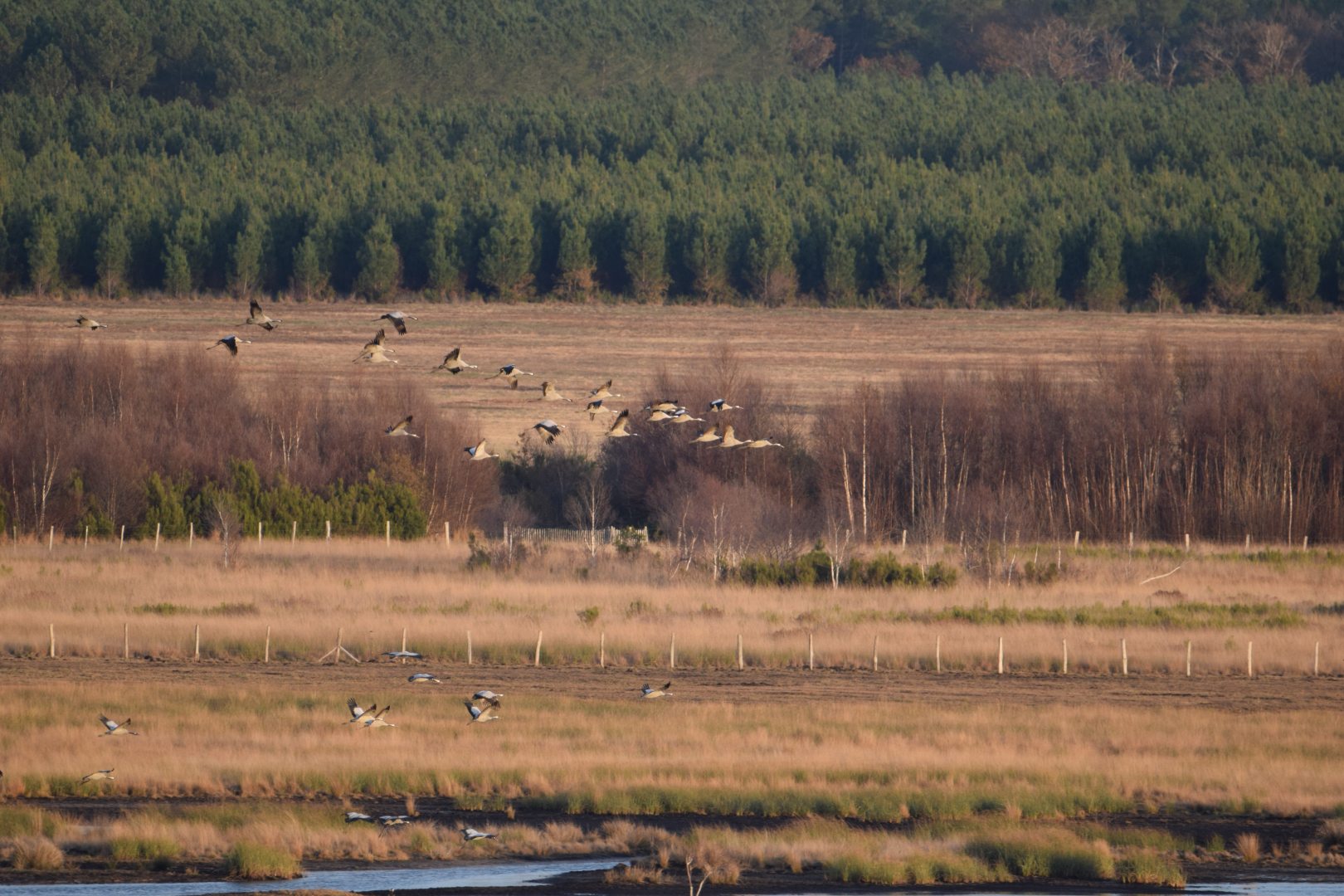
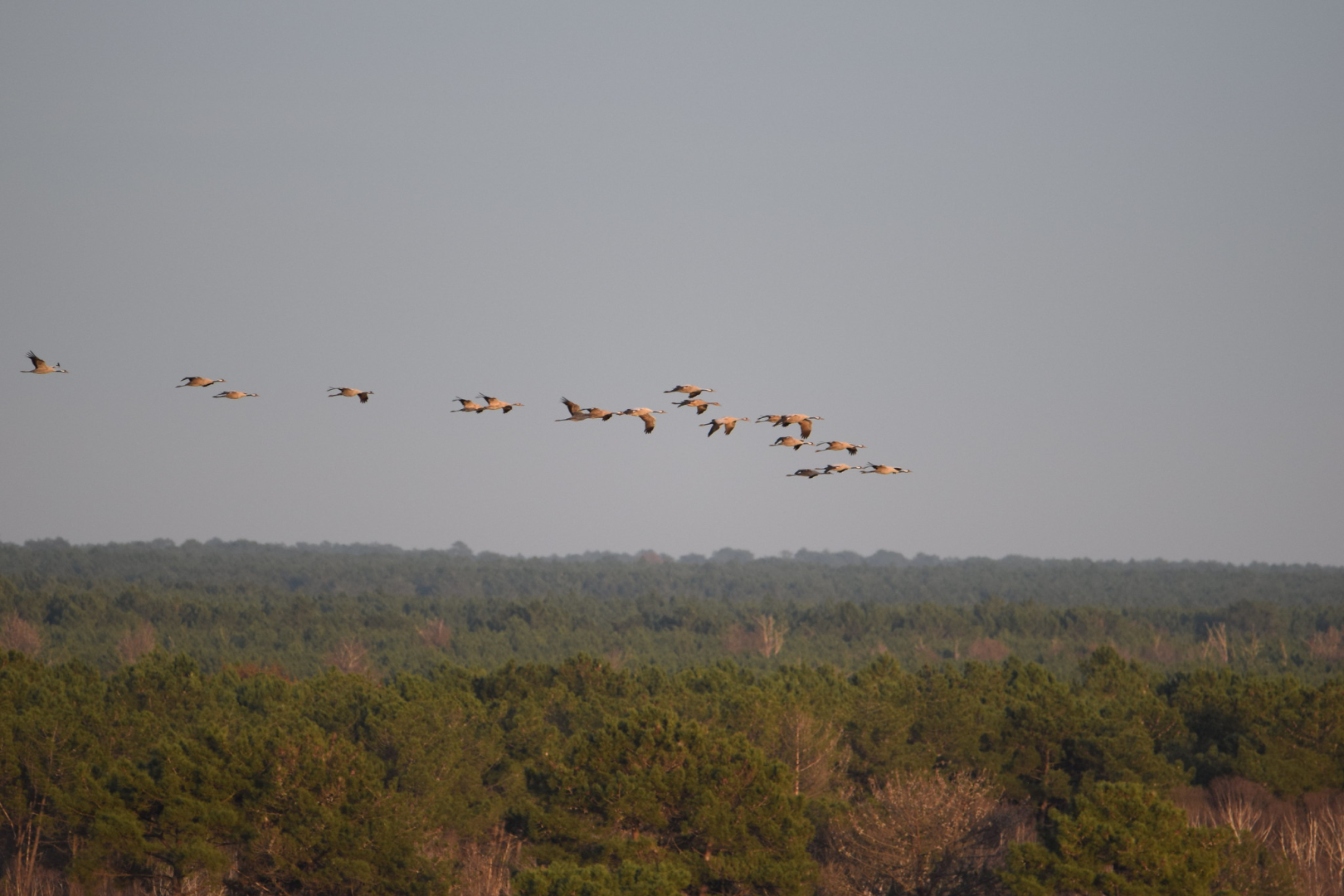
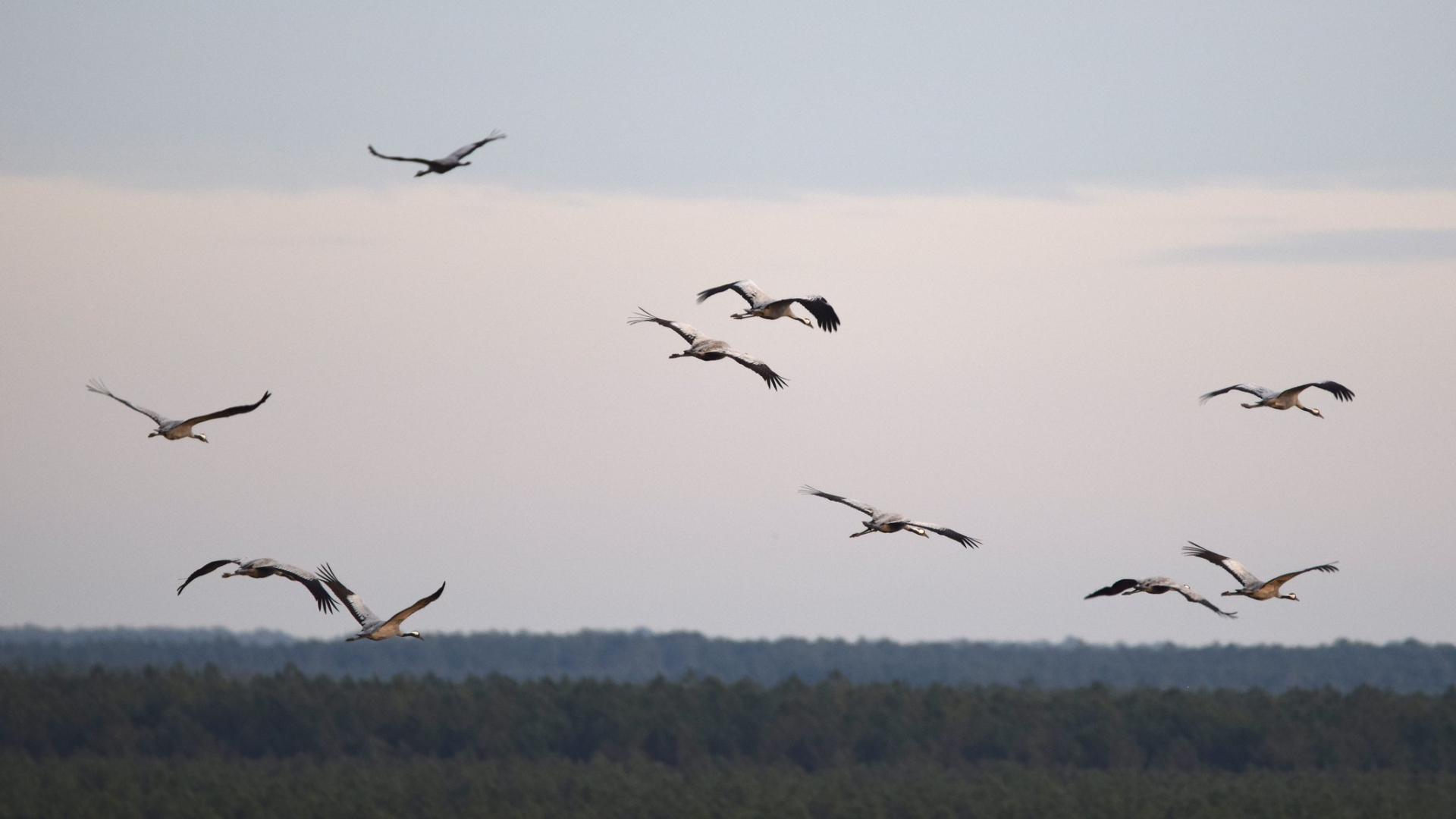
In autumn and winter, the reserve becomes an interesting site for observing migratory birds, especially common cranes. During their migration, they stop in the area, sometimes offering wonderful viewing moments for patient visitors.
This is one of the most sensitive and fascinating times of year to discover the reserve. The site takes on a wilder, quieter atmosphere, where every movement in the sky catches the eye.
-
-
© Noé Bugnot -
-
-
© Noé Bugnot -
Regulations and practical advice
The Étang de Cousseau Nature Reserve is a protected natural area. It is governed by specific regulations to help preserve its 875 hectares. To protect this fragile environment, it is important to stay on the marked trails, avoid picking plants, not disturb wildlife and take your rubbish away with you.
Swimming is not allowed in the reserve. Picnicking may be regulated depending on the area: use suitable spaces around the access points and always follow the instructions displayed on site.
To find out more
-
Activities in Lacanau: sport, culture and nature -
Cousseau Pond National Nature Reserve
How do I get to the Étang de Cousseau Nature Reserve?
The Étang de Cousseau Nature Reserve is located between Carcans and Lacanau, in a protected natural area of forest, dunes and lake. The car park is located 3 kilometres after the start of the “route des 33 virages” when coming from Lacanau.
How long does the walk in the reserve take?
The duration depends on the route you choose and your walking pace. Allow at least 3 hours to fully enjoy the walk, observe wildlife, take breaks and discover the different landscapes of the reserve.
Can you visit the Cousseau reserve with children?
Yes, the walk is suitable for children who are used to walking. Bring water, comfortable shoes and plan regular breaks. Binoculars can also make the outing more fun for children who enjoy birdwatching.
Can you access the Cousseau reserve by bike?
Yes, the area can be reached by bike via the cycle paths around Lacanau and Carcans. The visit then continues mainly on foot, along natural trails inside the reserve.
Is the reserve accessible with a pushchair?
The trails are natural and some sections may be difficult with a standard pushchair. With young children, it is better to use a baby carrier or check the condition of the route before setting off.
What animals can you see in the Cousseau reserve?
Depending on the season, you may see birds, dragonflies, reptiles such as the European pond turtle, and common cranes during their migration. For the best wildlife watching experience, bring binoculars, stay quiet and keep your distance.
Can you swim or picnic in the reserve?
The reserve is first and foremost a protected natural area. Swimming is strictly forbidden. Picnicking is regulated depending on the area, so it is best to check before your visit and always follow the instructions on site.
When is the best time to visit the Cousseau reserve?
The reserve can be visited all year round, with each season offering a different atmosphere. Autumn and winter are particularly interesting for observing migratory birds, while spring and summer are ideal for enjoying the landscapes and flora.