In the shadow of the great monuments, the small rural heritage and architecture of the villages of the Médoc Atlantique have no less wonderful stories to tell. The villas of Soulac tell of the Belle Epoque. The Moulin de Vensac makes children’s eyes light up. Of the six lighthouses in the area, the Cordouan lighthouse is the last in the world still inhabited. And the Romanesque churches bear the stamp of France’s great history… as well as the juicier anecdotes that still fuel parochial quarrels !
Romanesque churches
Full of stories and anecdotes
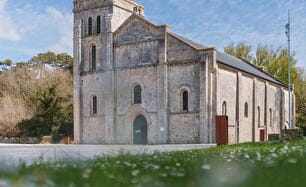
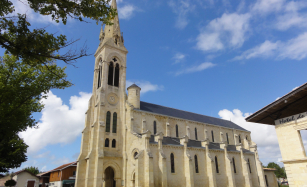
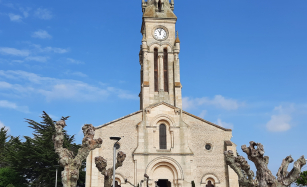
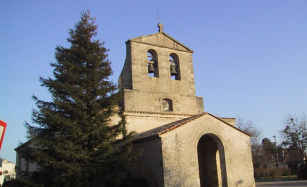
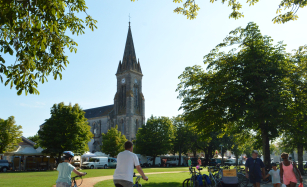
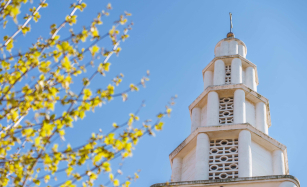
In Médoc Atlantique, each church has its own unique story. In Soulac-sur-Mer, the Basilica of Notre-Dame-de-la-Fin-des-Terres, a UNESCO World Heritage Site, tells of a time when the village was completely covered in sand. At Saint-Vivien-du-Médoc, the contemporary restoration of the bell tower leaves no observer unmoved! The 12th-century Saint-Jean-Baptiste chapel in Grayan-et-l’Hôpital reminds visitors of the history of the Knights Templar and the Pilgrim’s Way to Santiago de Compostela.
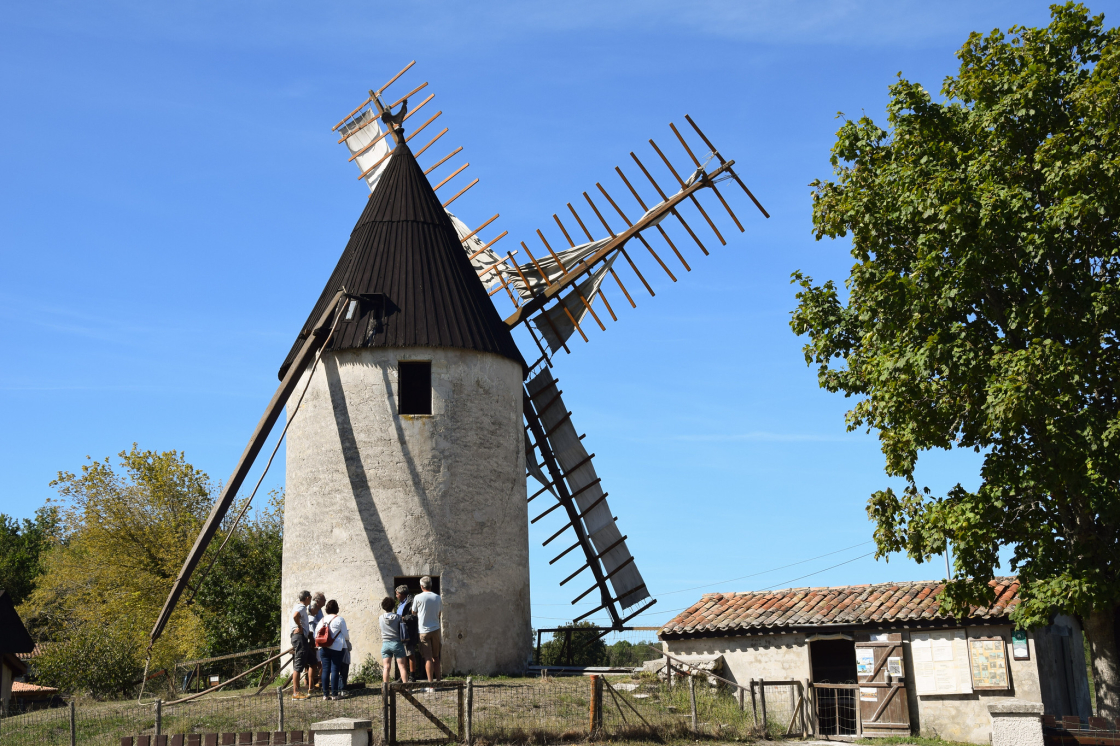
Built in 1800, then rebuilt stone by stone 2 km further on in 1858 following a marriage, this adorable windmill has the old-fashioned charm of the nursery rhymes of our childhood. It was mothballed when its owner was mobilised during the Second World War, then set sail again in 1982 to the delight of tourists and lovers of rural heritage. Buckets, augers, sieves, gears – everything was fitted out to optimise the mill’s flour productivity.
Now closed to visitors, it’s still a must-see on your holiday !
Lighthouses have been the stuff of fantasy and legend for centuries… The Médoc Atlantique is fortunate to have six lighthouses between land, ocean and estuary, including the last inhabited lighthouse in the world, the famous Cordouan lighthouse. A precious heritage, which also offers exceptional panoramic views over the Estuary.
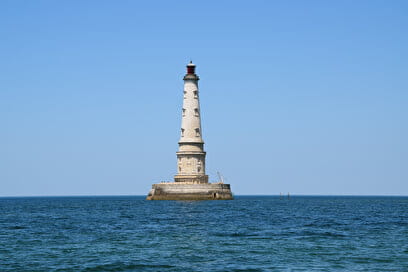
Le Phare de Cordouan, le Versailles des Mers
Completed in 1611 and raised in 1790, it’s already an impressive journey to get there by boat! It is the last manned lighthouse in the world: its two keepers stay there for between one and two weeks, depending on the season. Listed as a World Heritage Site by UNESCO in July 2021, a visit to the lighthouse is a must. Allow around 4 hours to get there, departing by boat from Le Verdon-sur-Mer.
Practical information : 67.5 m / 301 steps / open to the public / Le Verdon-sur-Mer
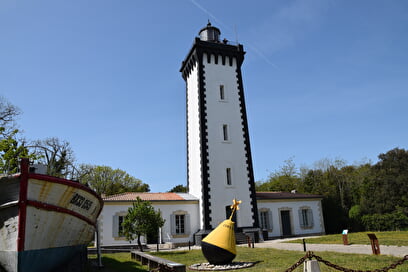
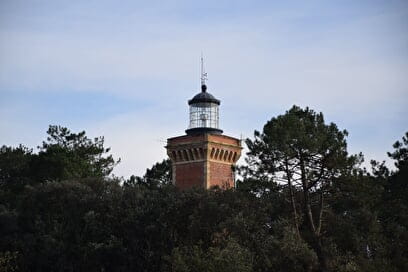
The lighthouse was lit in August 1860 to mark the Pointe de Grave and now serves as an alignment in the channel. It is now home to the fabulous Musée du Phare de Cordouan et des phares et balises (Cordouan lighthouse and lighthouse and beacon museum), and admission is reasonably priced – a great way to discover the world of lighthouses if you don’t have enough time to visit Cordouan.
Practical information: 34 m / 107 steps / open to the public / Le Verdon-sur-Mer
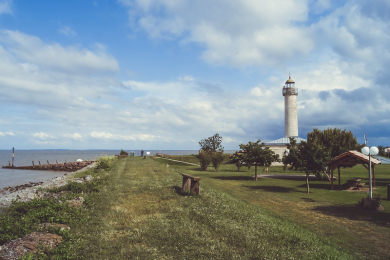
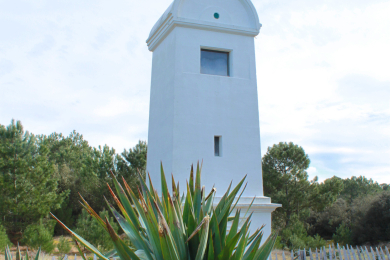
It was built when the shipping channel ran close to the Gironde coast. It has not been in operation since the 1950s, but it houses a fascinating museum of estuarine life and offers a breathtaking view of the estuary.
Admission: €3 / €2.50 for groups (10 people or more) / free for under-10s
Practical information: 18 m / 63 steps / open to the public / Jau-Dignac-et-Loirac
The two lighthouses of Hourtin, retired lighthouses
27 m high and 200 m apart, they were equipped with fixed lights so as not to be confused with Cordouan and the Cap Ferret lighthouse, helping sailors to know that they were located between the tip of the Gironde Estuary and the Bay of Arcachon.
Practical info: located in Hourtin, they are not open to the public, but make for a lovely bike ride through the pine trees.
LIGHTHOUSE SPECIALIST JEAN-MARIE CALBET TELLS YOU ABOUT THE LIFE OF LIGHTHOUSE KEEPERS IN DAYS GONE BY…
Cordouan was totally isolated on the open sea, but there were always at least two keepers. They were cut off from the land and their families for weeks at a time, especially during storms. Grave Lighthouse is typical of a land-based lighthouse, with the keepers’ houses surrounding it: their families lived with them. Richard is a mixture of the two, a ‘lighthouse house’ where the keeper lived with his family (until 1953) but isolated from the rest of the village. To a lesser extent, this was also the case at Hourtin: you had to sail across the lake to reach the main lighthouse. A real peplum that was not without risk!
Jean-Marie Calbet
Headlight specialist
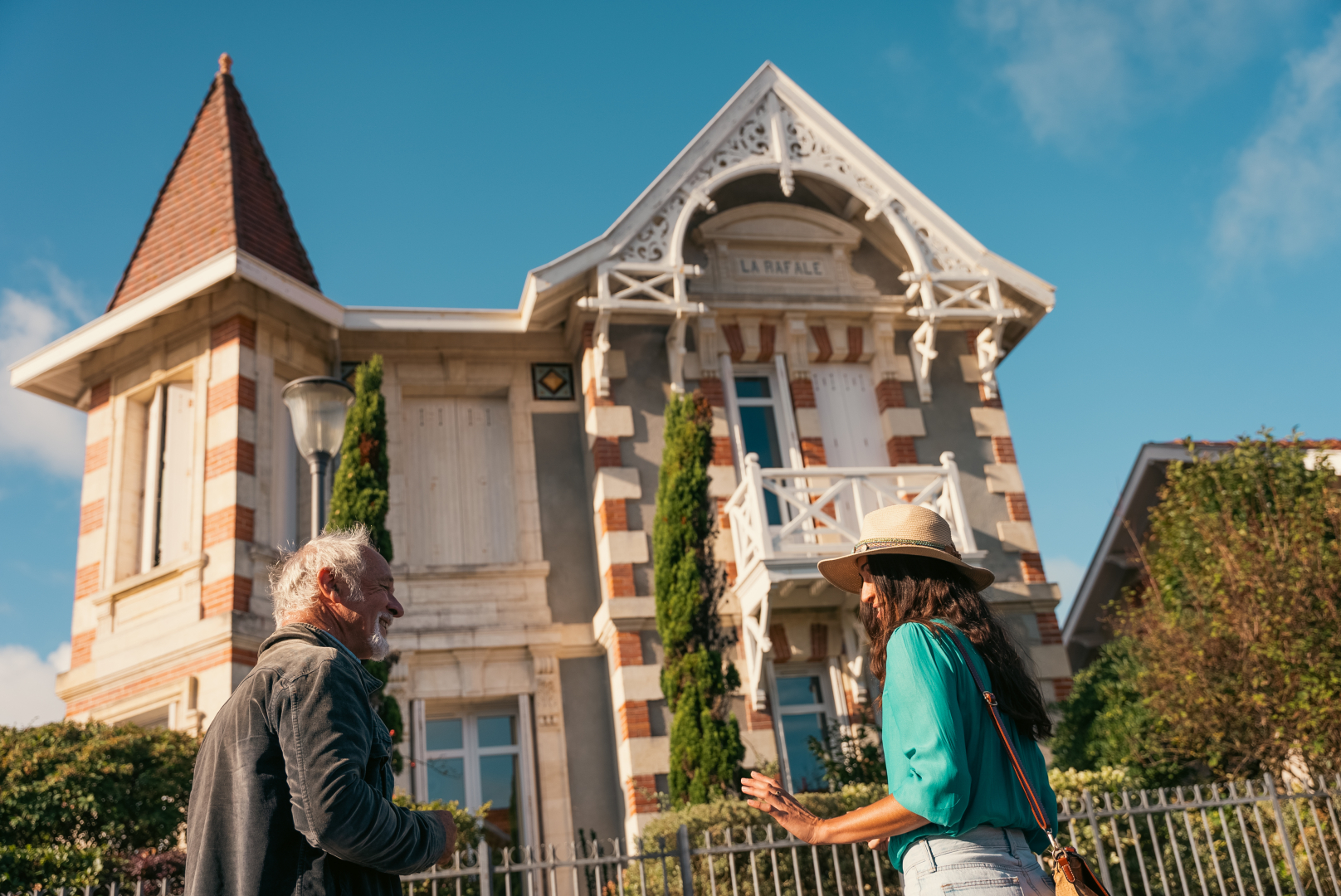
Villas Soulacaises and Canaulaises
Rainbow heritage on the Atlantic coast
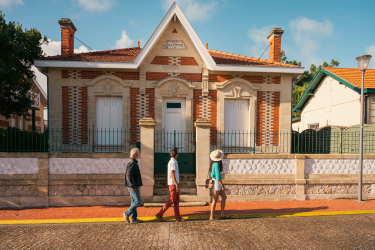
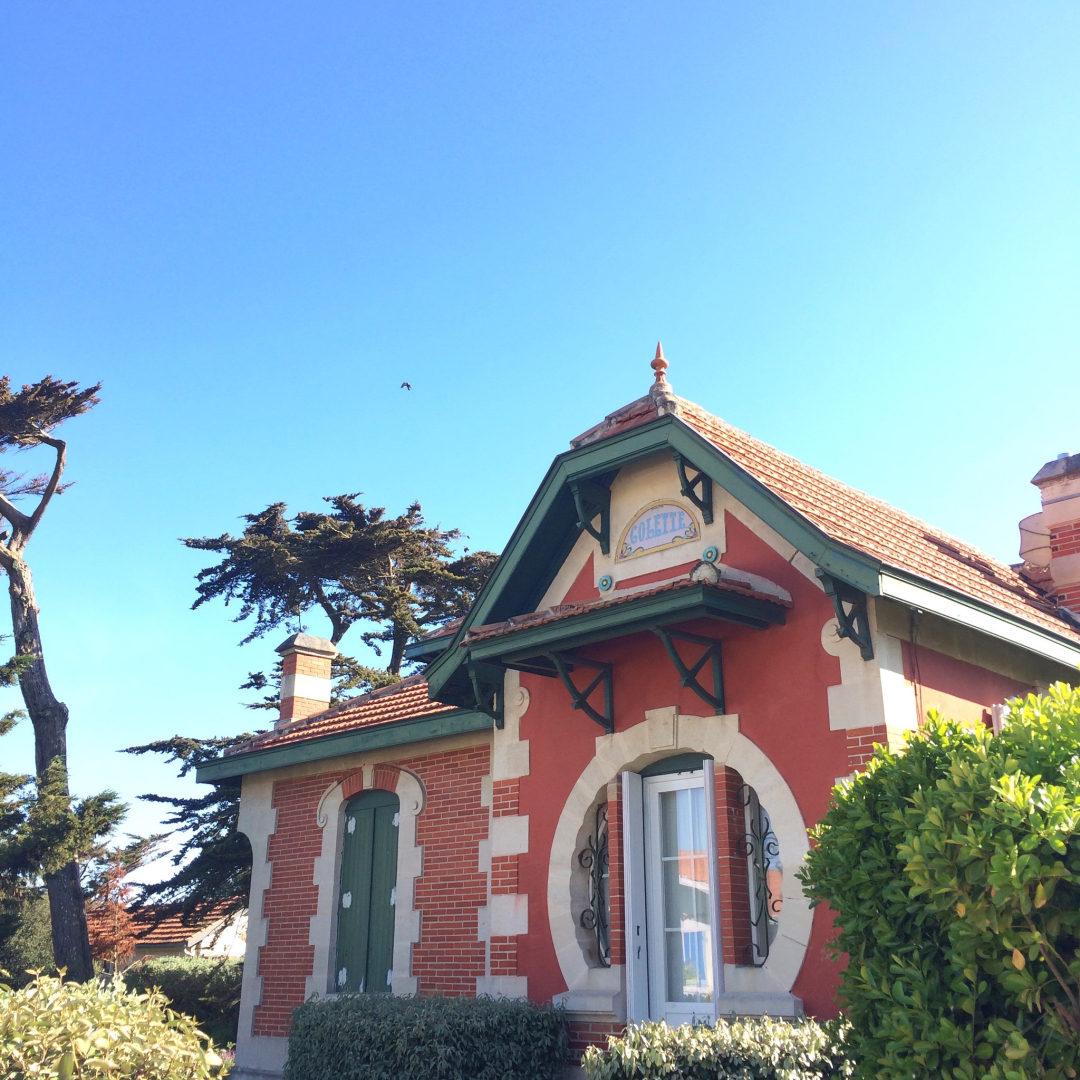
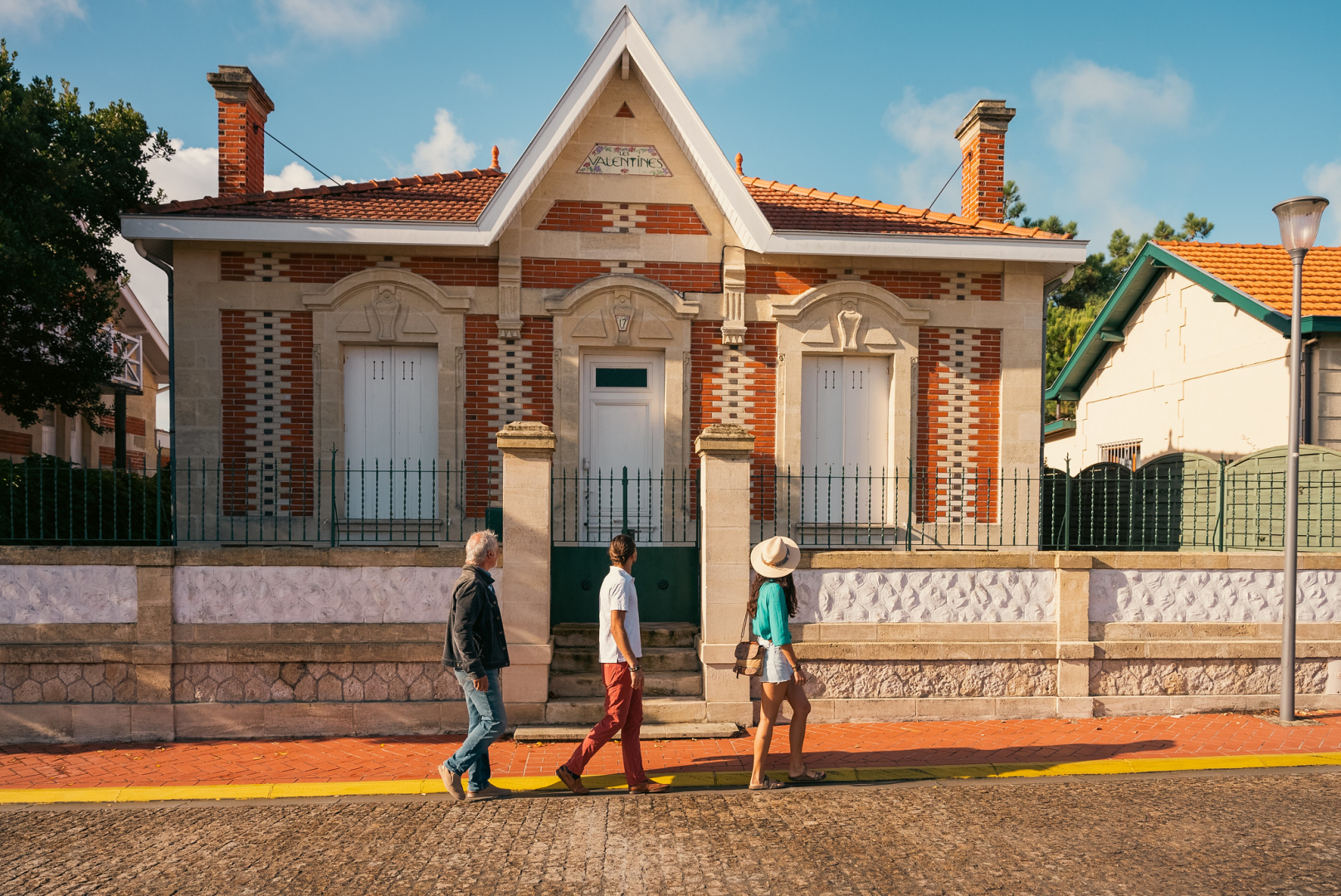
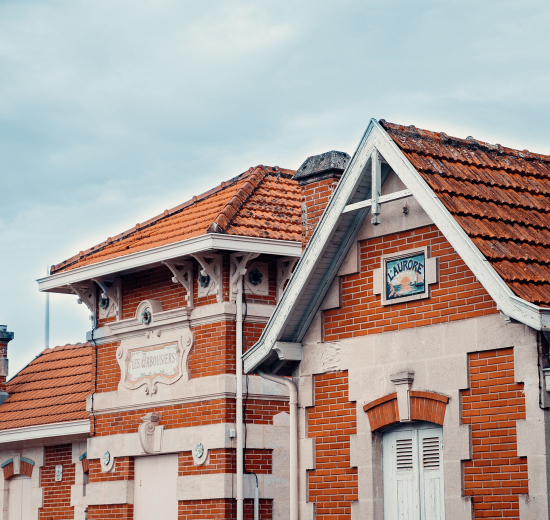
If you take a stroll through the old village of Soulac-sur-Mer, you’ll probably be surprised by the very distinctive architecture of the houses around you. The seaside resort is nicknamed the “town of 500 villas”, because of the unique style of the villas built in Soulac during the Belle-Époque period. The oldest villas in Soulac are similar in architecture to mountain chalets, but the majority, built after the arrival of the train in 1874, are in the Moorish and neo-colonial style, a fashion that spread along the Atlantic coast as seaside bathing became all the rage among the wealthy bourgeoisie.
Colourful and adorned with original details, often evoking the sea or reflecting the dreams of their first owners of exotic escapism, they reveal all their period charm at Soulac 1900, a not-to-be-missed event.
Lacanau also has a district with typical Moorish villas known as “canaulaises”, inherited from the same sea-bathing fashion that arrived a few years after Lacanau. Have fun spotting them yourself, or follow a free guide provided by the Tourist Office to find them.
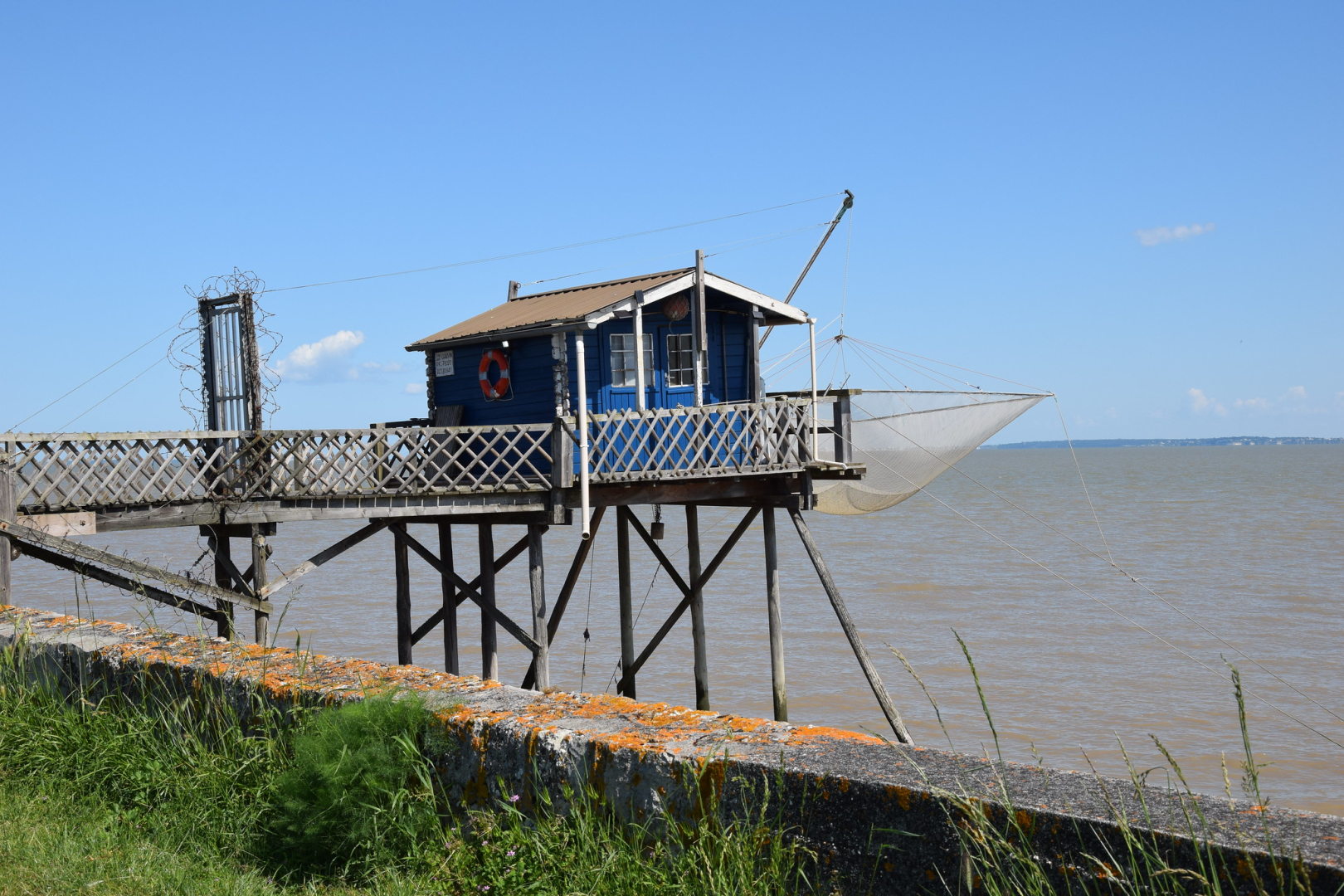
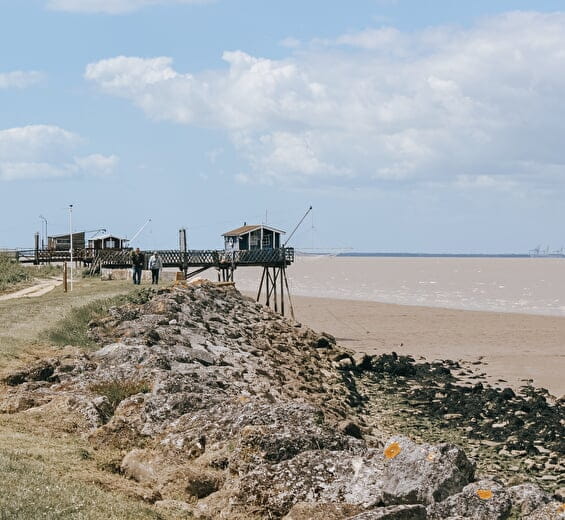
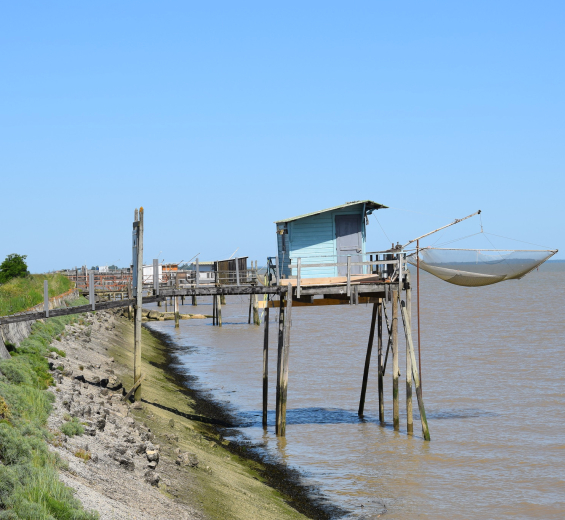
As you stroll along the estuary, from port to port, you’re bound to come across them. Carrelets are small, square wooden fishermen’s huts with a wide fishing net suspended above the water. It is to this net, known as a carrelet, that they owe their name.
They give the banks of the estuary an authentic and unique charm.
Centuries of history nestle in the well-hidden treasures of the Médoc’s heritage.
Archaeological sites
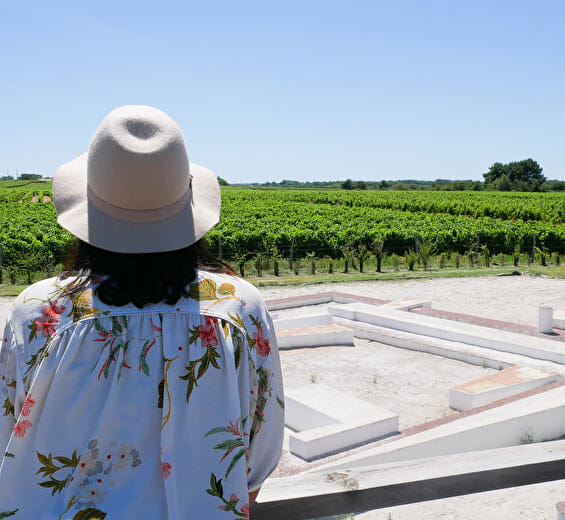
In Jau-Dignac-et-Loirac, the Chapelle archaeological site was discovered during agricultural work in 2000. Some of the foundations can be seen on the ground, thanks to enhancement work carried out in 2016. A life-size model also gives you an idea of what was once a Gallo-Roman temple, a funerary church and the chapel of Saint-Siméon.
Well-kept Templar secrets
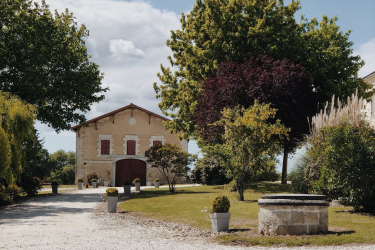
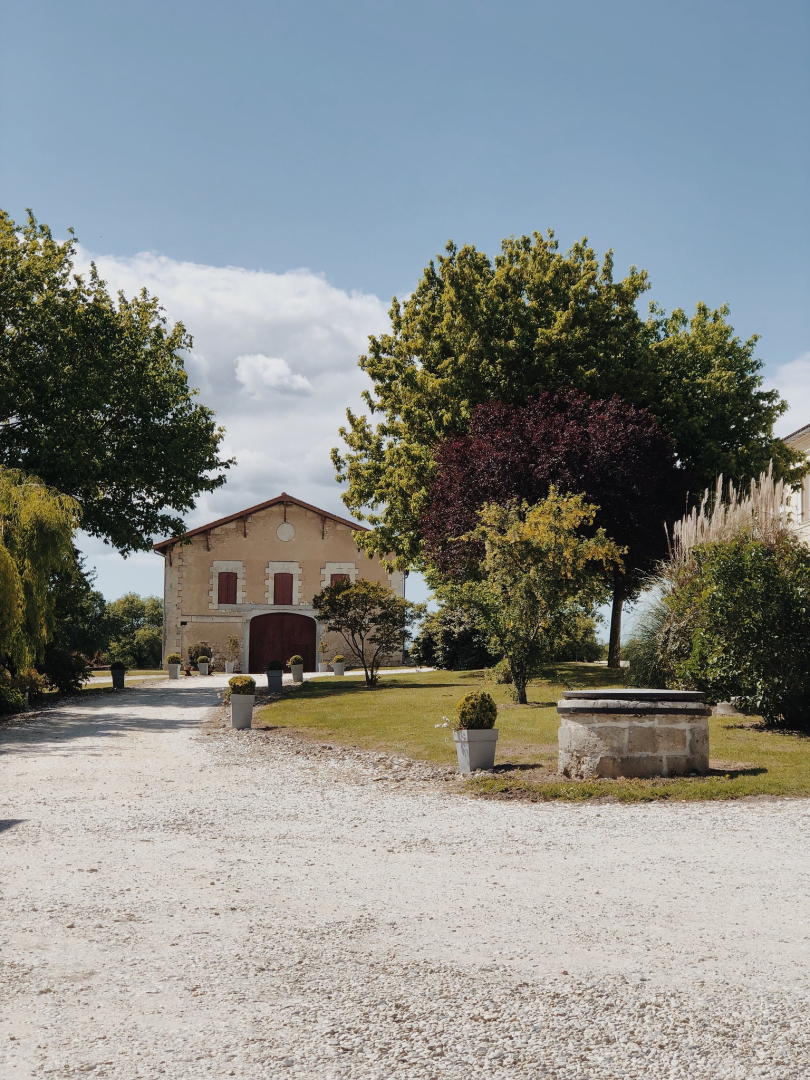
A “Temple monument” in Saint-Vivien-de-Médoc also commemorates a Templar chapel that belonged to the Order of Malta, whose members depended on the Commanderie d’Arcins. Historical documents show that there were nine Commanderies in the Médoc in the 15th century. If you’re interested in the history of the Knights Templar, don’t miss a visit to Château Le Temple de Tourteyron: the owners will show you some incredible remains found during recent excavations. Fascinating stuff!
Atlantic bunkers
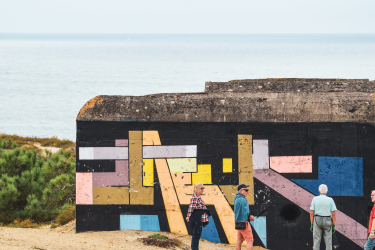
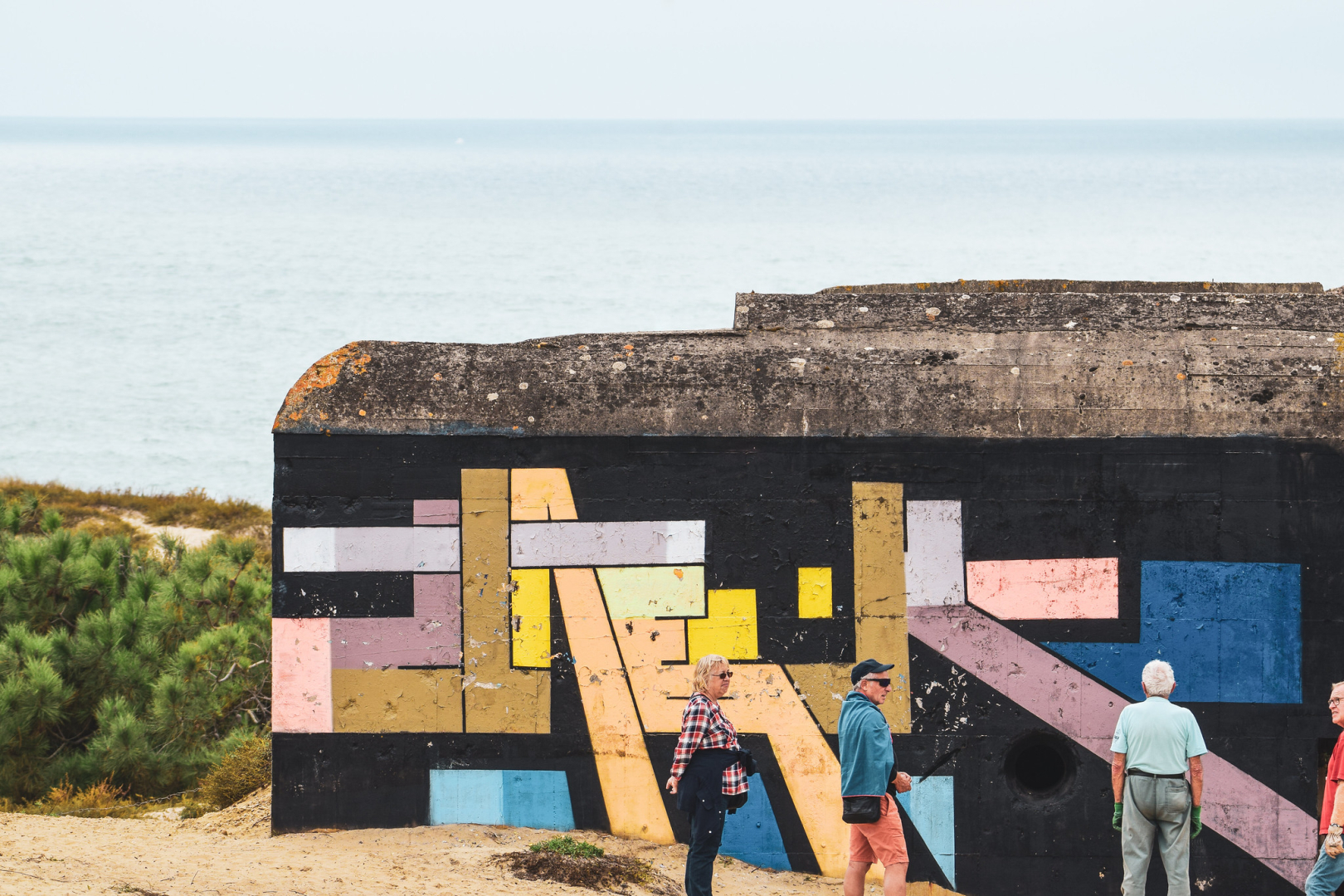
History is also written on the beaches of the Atlantic coast. Wild and authentic, their tranquillity was nevertheless disturbed during the Second World War. Take a look at the bunkers still washed up on the sand: they are remnants of the Atlantic Wall, a line of defence built by German troops who feared an invasion by the American army from the ocean. Today, they are the canvas of talented graffiti artists.
Discover the little-known history of the Cantabria at Lacanau
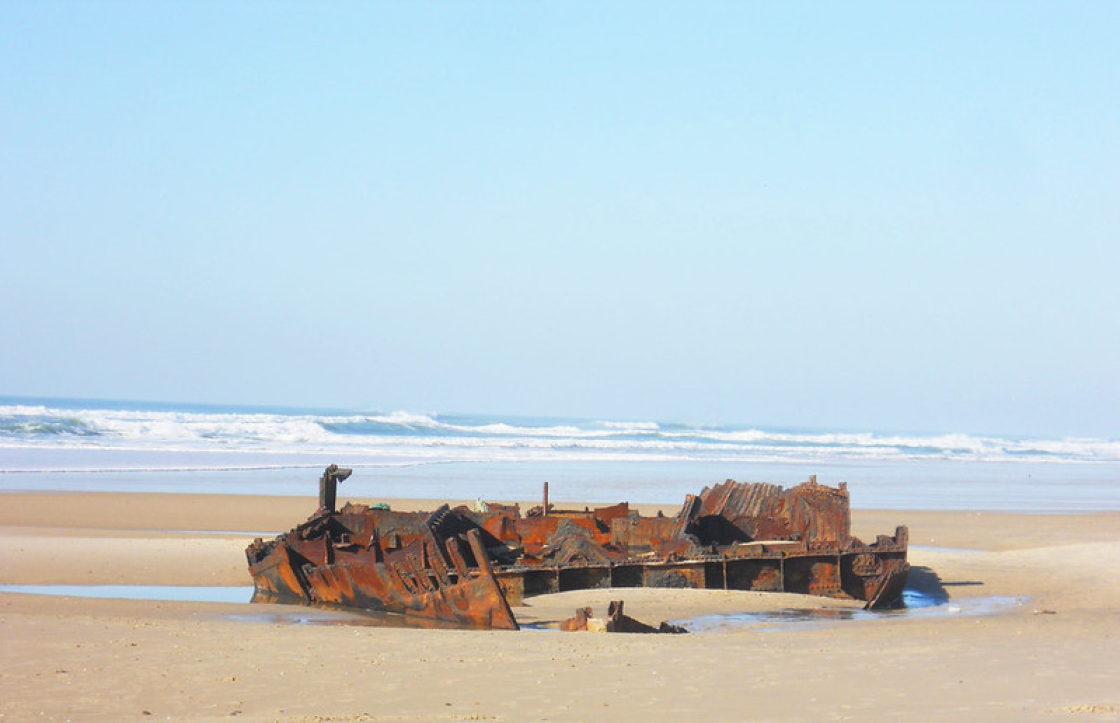
For several years now, at low tide, the strange remains of a shipwreck have been visible on the beach at Lacanau. This is the Cantabria, a Spanish ship that ran aground in 1937 during the Spanish Civil War, and which has left its mark on the collective memory of the people of Lacanau. On board were 497 Spanish Republican refugees, children and adults, who were rescued and supplied by the people of Canaul. The ship was initially destroyed by the waves, but a series of storms deposited the wreck back on the sand around ten years ago. A reminder of the great spirit of fraternity that has grown up in Lacanau.


 Jean-Marie Calbet